

By Bosun Obafemi
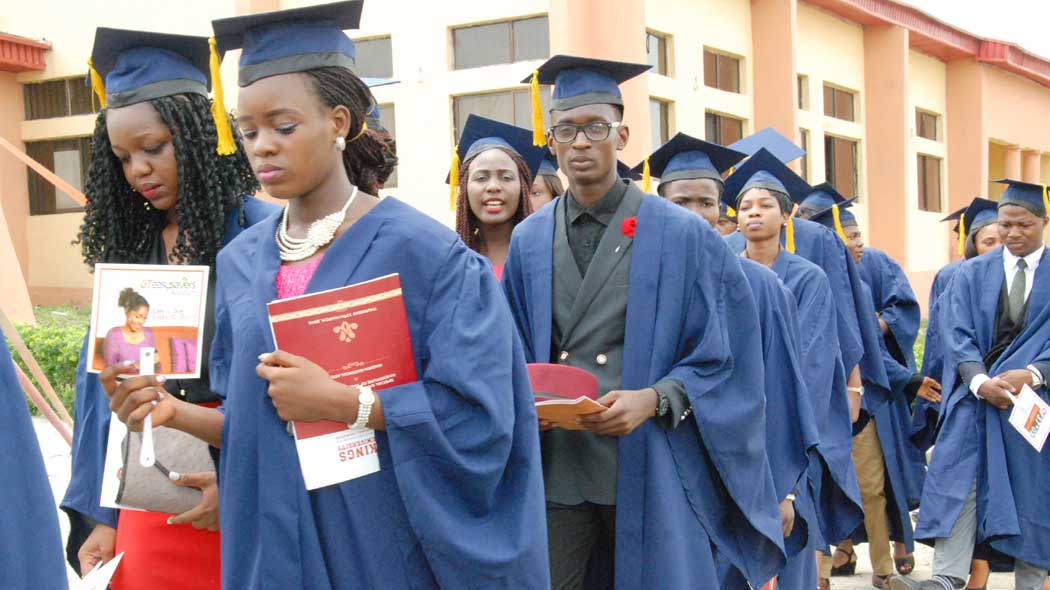
University is an institution of higher education where academic degrees are awarded at the completion of the stipulated sessions.
In view of limited numbers of Nigeria public and private universities, compared to millions of prospective candidates seeking admission each year for degree programmes in these higher institutions, securing one has become a nightmare to many who are qualified candidates by Joint Admission matriculation Board (JAMB) cut off marks.
Findings have revealed that the public and private universities have their different peculiar challenges. While government’s lack of proper financing is more associated with public university, it is that of higher tuition fees for the private ones.
The question now is, how many students would be willing to go back to the same institutions where they had their first degrees for postgraduate degrees.
A pool of students who said they would be willing to have their postgraduate degrees from the same university of their first degree and those who would not want to do so is taken from a sampling of University cutting across North and South of Nigeria. The sampling universities are, University of Lagos (UNILAG), Ladoke Akintola University of Technology (LAUTECH), Obafemi Awolowo University (OAU), Ahmadu Bello University (ABU), University of Nigeria, Nsuka (UNN), Redeemer’s University (RUN) and Lagos State University (LASU).
Odunayo Akinola, a graduates from the University of Lagos said, he would always be willing to have his post graduate degrees from the same institution. He attributed his disposition to a relative standard academic delivery by the institution. In another response, Tunrayo Oladejo, a graduate from LAUTECH said she would not go back for the post degree in the institution hanging her reason on distance and incessant strikes actions.
From the findings, 68 percent of first degree holders indicated interest to return for post graduate course in the same university while 32 percent would not do so.
Fifty percent of those who wanted to return said they would do so because, they are satisfied with the standard of academic system, while other 50 percent cited proximity and financial affordability.
On the other hand, 100 percent of remaining 32 percent said they would not return to the same university. The reasons adduced to their position range from the effect of ASUU strikes, lack of finance, marital status and unemployment.
To this end, the students are of the opinion that it has become necessary for the stakeholders in public and private institutions to develop proper synergy in running university education in Nigeria in order to maintain high standard of learning in the ivory tower.
The federal or state governments are to ensure the provision of modern infrastructural facilities to prepare the tertiary students for international competition in the area of research and project. The students expressed their dislike to the incessant strike actions by the ASUU or any other education union while urging the government and school authorities to take every necessary step to discourage this interruption. This, they said has not only affected them negatively but inflicted avoidable damage on the reputation of standard of tertiary education in Nigeria.
The private universities were cautioned not allow the urge for revenue to dictate their purpose of running academic degrees. This, they said is necessary in view of the economic challenges which has rendered many graduates unemployed.
In all, they advised the government to fashion policies on tertiary institutions in way not to weaken the system. In the same vein, the university authorities were advised to be intentional to build students confidence in the system in order to inspire them to come back for their subsequent degrees.