

By Elizabeth Godwin
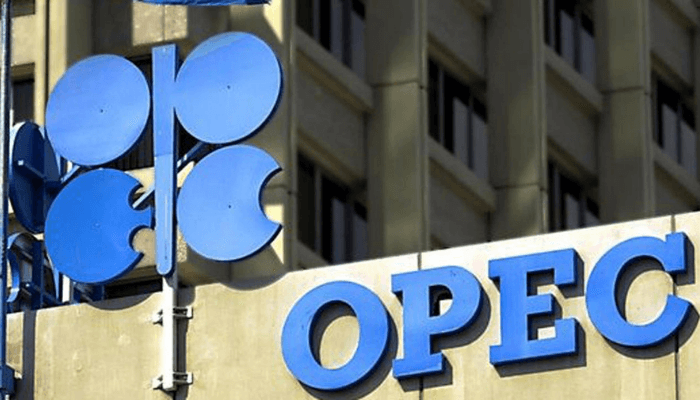
Eight member countries of the OPEC+ alliance have agreed to increase their crude oil production by 547,000 barrels per day (bpd) in September 2025, citing improved global economic conditions and stronger market fundamentals.
The decision was reached during a virtual meeting held on Sunday, where Saudi Arabia, Russia, Iraq, the United Arab Emirates, Kuwait, Kazakhstan, Algeria, and Oman reiterated their commitment to oil market stability.
This planned increase is the fourth in a series of phased rollbacks of the 2.2 million bpd in voluntary production cuts introduced in April and November 2023. The group had agreed in December 2024 to begin gradually restoring those volumes from April 2025, using a flexible, month-by-month approach based on market dynamics.
The coalition stressed that this cautious return to higher production levels remains subject to monthly reviews and may be paused or reversed if market conditions deteriorate.
While major producers prepare to ramp up output, Nigeria, Africa’s largest oil producer, continues to underperform. In April 2025, Nigeria pumped 1.486 million bpd, slightly below its OPEC quota of 1.5 million bpd. Although it briefly exceeded the quota in June, reaching 1.505 million bpd—the highest level since January—the achievement was short-lived.
Persistent challenges, including oil theft, vandalized pipelines, and underinvestment in infrastructure, have hampered Nigeria’s oil sector, limiting its ability to benefit fully from shifts in OPEC+ policy.
Meanwhile, earlier this year, Brent crude prices fell below $60 per barrel—well under Nigeria’s 2025 budget benchmark of $75—raising alarm over potential revenue shortfalls. The Nigerian Economic Summit Group (NESG) has warned that continued oil sector underperformance could jeopardize the government’s budgetary plans and stall key national projects.