By Kingsley Moghalu
There is a problem with assessments of Africa’s progress, and flawed assessments have led many to believe and proclaim that Africa is “rising.”
The problem is both one of measurement and that of substance. The measurement is focused on macroeconomic GDP growth, which is the “GDP delusion.” African governments and analysts parrot these numbers to demonstrate progress.
But this is wrong, and deceptive. GDP growth rates don’t measure real human development — the general availability of potable drinking water (water systems that serve whole populations, not “pure water” sachets or boreholes!), comprehensive healthcare systems, education and skills, life expectancy.
These are the more relevant parameters in my view, before we can move on to growth, and then to structural transformation (a shift from agriculture or natural resources as the basis of national revenues). This is the measurement problem.
At the same time, on the basic indices of development -human development- Africa is in a relatively backward place, as is self evident. Incomes are low across most of our populations. This is the substantive reality.
And then, Africa simply isn’t ‘rising’ in real terms. This is because, first, it has not yet achieved structural transformation away from raw commodities and natural resource-based economies (it cannot do so without basic physical and social infrastructure such as electricity and human capital.
The latter means labour that is skilled with productive knowledge (PK). This is what creates economic complexity (the manufacture of complex products with high value addition) at scale and exported competitively, which is the basis of the wealth of nations – see, for example, the rise of Asia. Furthermore, the continent has not systematized and commercialized innovation.
It’s industrial innovation that mainly drives competitiveness and wealth creation through “creative destruction” – old things, overtaken by new inventions that improve productivity, are retired or simply die (still looking for that good old rotary telephone!).
The second reason Africa is not rising is foundational and philosophical: African countries have failed to develop a worldview – an understanding of themselves in the universe, based on why the world is the way it is, where we come from, where we are going, how we are going to get there, the values and strategy that underpin that journey, and the systems of knowledge on which our journey is anchored.
This worldview should suffuse the whole society and be taught, learned and adopted even by its children. In societies that have one, it drives everything else – security, governance, economic philosophy and management, foreign policy and power projection.
Without this, I’m afraid we ain’t rising to nowhere just yet – all the “vibe” and smoke and mirrors notwithstanding. Can we rise? Of course we can. But not until we address these foundational issues of philosophical orientation, governance (the organising principle), and economic productivity.
African leaders talk a good game, some have slick PR, but they suffer from too many contradictions – what they do is often not what they say, and their habits and thought patterns eat their own proclaimed dreams for breakfast. Accountability, rule of law and institutions are key here.
Where is that African leader that has been tried or convicted of a crime or civil offence while in office? Like Benjamin Netanyahu, like the Presidents of South Korea and even the great and mighty United States? Nada, with the exception of South Africa (Zuma). Because our leaders are, effectively, the state, and thus above its institutions.
I confronted the “Africa Rising” euphoria with these arguments in expanded form in my book Emerging Africa in 2014. The financial Times review of the book called it “the last word on the Africa Rising obsession.” A decade later, I have not been proven wrong.
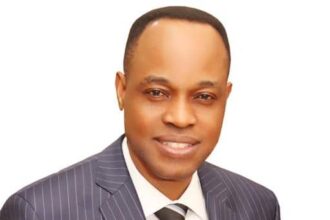
Professor Moghalu is a former Deputy Governor of the Central Bank of Nigeria and also a former presidential candidate.