

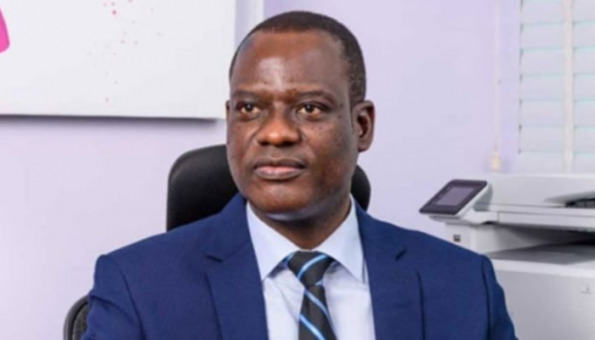
The Minister of Finance and Coordinating Minister of the Economy, Mr. Taiwo Oyedele, has said Nigeria stands to achieve significant economic development if it gets its tax system right.
Oyedele made the remark while receiving a delegation from the Chartered Institute of Taxation of Nigeria (CITN) at his office in Abuja.
The minister commended the institute for introducing a National Tax Awareness Day and for supporting the Federal Government’s ongoing tax reform agenda. He, however, urged the institute to intensify public enlightenment efforts, noting that many Nigerians still view taxation as merely a means for government to generate revenue from citizens.
According to him, the government’s priority is not to increase tax rates but to broaden the tax base by ensuring that all eligible taxpayers meet their obligations.
“We are still not getting enough revenue from tax. It is not about increasing tax, but making sure that those who are supposed to pay tax pay. We want to promote fairness in tax administration,” he said.
Earlier, the President and Chairman of Council of CITN, Mr. Innocent Ohagwa, said misconceptions surrounding the government’s tax reform initiatives had contributed to public misunderstanding and anxiety.
He noted that many Nigerians mistakenly believe the reforms introduced new taxes across all sectors of the economy or were designed solely to boost government revenue without considering taxpayers’ welfare.
According to Ohagwa, some business owners have also expressed concerns over compliance obligations due to conflicting information circulating on social media, despite the reliefs and protections contained in the reforms.
He stressed the need for sustained public education to improve understanding of the reforms and encourage voluntary compliance.
Ohagwa added that tax compliance should be seen as a civic responsibility and a collective contribution to national development.
“Taxation works best when there is trust. Taxpayers must fulfill their obligations, while the government must uphold accountability, transparency and the effective use of public resources,” he said.