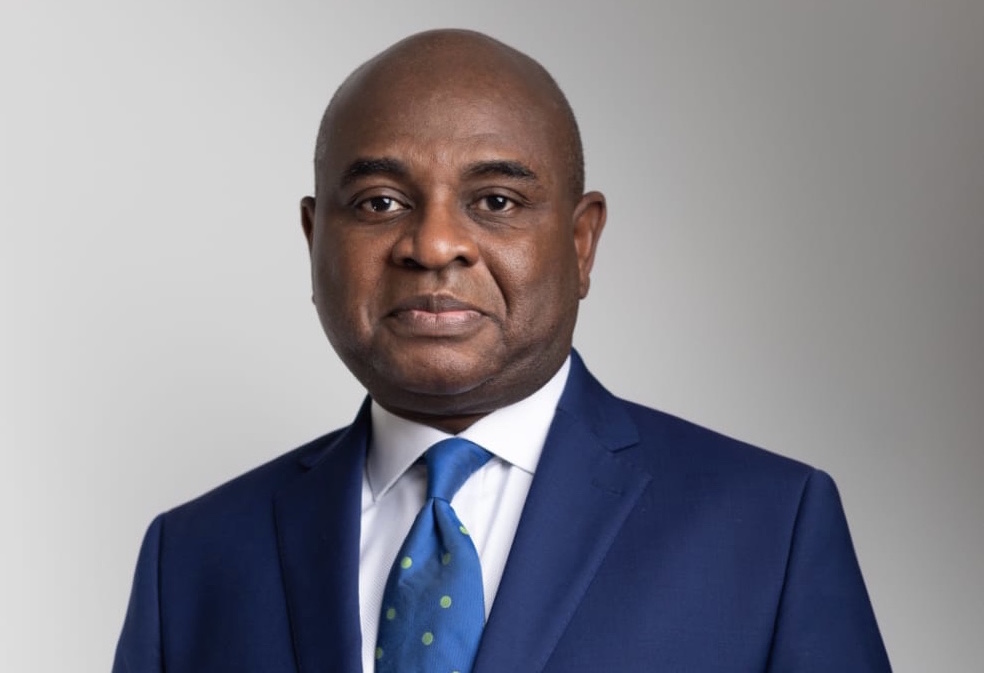



The Group Managing Director and Chief Executive Officer of United Bank for Africa (UBA) Plc, Oliver Alawuba, has urged internal auditors in the banking industry to embrace artificial intelligence (AI) as financial institutions adapt to an increasingly digital operating environment.
Alawuba made the call while delivering a keynote address at the 64th Quarterly General Meeting of the Association of Chief Audit Executives of Banks in Nigeria (ACAEBIN), held in Lagos. The meeting was themed, “Internal Audit Function in the AI Era.”
Represented by UBA’s Executive Director, Finance and Risk Management, Ugo Nwaghodoh, Alawuba said AI is already reshaping banking operations through enhanced fraud detection, risk assessment, customer service, and transaction monitoring.
According to him, while AI presents significant opportunities to improve operational efficiency and drive innovation, it also introduces emerging risks that require stronger governance frameworks, effective oversight, and robust assurance mechanisms.
He stressed that AI should be viewed as a tool that enhances, rather than replaces, the role of internal auditors.
“Technology is not replacing the auditor. It is strengthening the auditor. It enables audit teams to spend less time on manual extraction and more time on judgment, interpretation, challenge, and insight. It is helping the function move from retrospective review to forward-looking assurance,” he said.
Alawuba further noted that organisations that will remain competitive are those that invest early in AI capabilities while strengthening internal controls and building trust throughout their digital transformation journey.
“The AI era will not wait for us to be ready. It is already here. The institutions that will lead are those that act now by building capacity, strengthening controls, modernising assurance, protecting customers, and embedding trust into every layer of digital transformation,” he added.
In her welcome address, ACAEBIN Chairperson, Mrs. Aina Amah, highlighted the growing threat of cybercrime to the banking industry, noting that cybercriminals continue to devise sophisticated methods of bypassing security controls and exploiting vulnerabilities within financial institutions.
She said the association’s quarterly meetings provide an important platform for knowledge sharing, professional development, peer engagement, and discussions on emerging risks affecting the internal audit profession.
Amah also urged banks to strengthen their cybersecurity frameworks by investing in advanced security capabilities and engaging experts capable of identifying vulnerabilities before they are exploited by cybercriminals.