

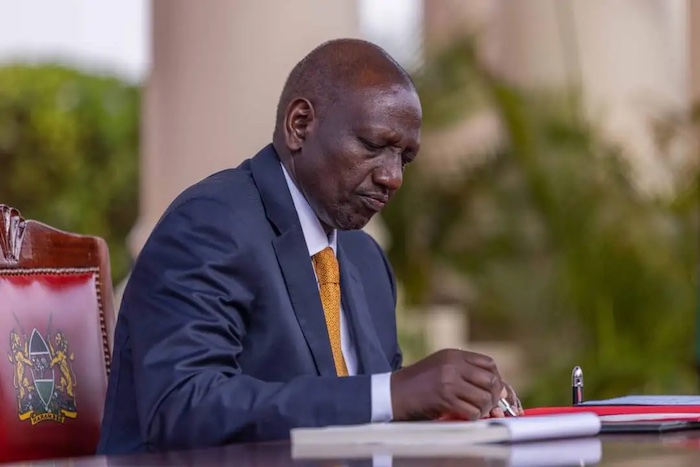
Kenyan President William Ruto has signed the Finance Bill 2025 into law, ushering in a new era of tax reforms aimed at easing the tax burden on workers, encouraging investment, and promoting long-term economic growth. The Finance Act 2025, signed on June 26, introduces key amendments to several pieces of tax legislation, including the Income Tax Act, the VAT Act, and the Excise Duty Act.
One of the Act’s most significant changes is the automatic application of all applicable tax reliefs and exemptions for salaried employees. This move is expected to simplify compliance and ensure that workers receive their entitled deductions without the need for additional paperwork. In a major win for employees, the daily tax-exempt subsistence allowance has been increased from KSh 2,000 to KSh 10,000. Additionally, pension and retirement gratuities will now be fully tax-exempt, offering meaningful relief to retirees amid rising living costs.
Unlike the 2024 Finance Act—which sparked nationwide protests over controversial tax hikes—the 2025 version avoids the introduction of new taxes altogether. Instead, it emphasizes fiscal discipline, administrative efficiency, and economic incentives designed to attract investment and spur innovation. The Act introduces a reduced corporate tax rate of 15% for startups during their first three years of operation. A similar tax rate will apply for ten years to investors who inject at least KSh 3 billion into the economy, a move aimed at luring large-scale capital inflows into key sectors such as manufacturing and technology.
Digital taxation also sees major changes. The contentious Digital Assets Tax has been repealed and replaced with a 5% excise duty on transaction fees charged by virtual asset service providers. This approach shifts the tax burden from digital asset holders to service intermediaries, a move likely to be welcomed by the growing number of Kenyans participating in crypto and digital finance. The Capital Gains Tax on high-value investments has also been slashed from 15% to 5%, making Kenya a more attractive destination for local and foreign investors.
The Finance Act 2025 authorizes the use of KSh 1.88 trillion from the Consolidated Fund for the 2025/2026 fiscal year and projects KSh 671.99 billion in internally generated revenue.
Notably, Parliament removed controversial provisions that would have allowed the Kenya Revenue Authority (KRA) expanded access to citizens’ personal data. The decision to scrap the clauses reflects a more consultative and responsive legislative process, one that balances fiscal responsibility with public sentiment.
Overall, the new law marks a shift toward pro-growth economic policy and responsive governance.