

By Ebenezer Mabinuola
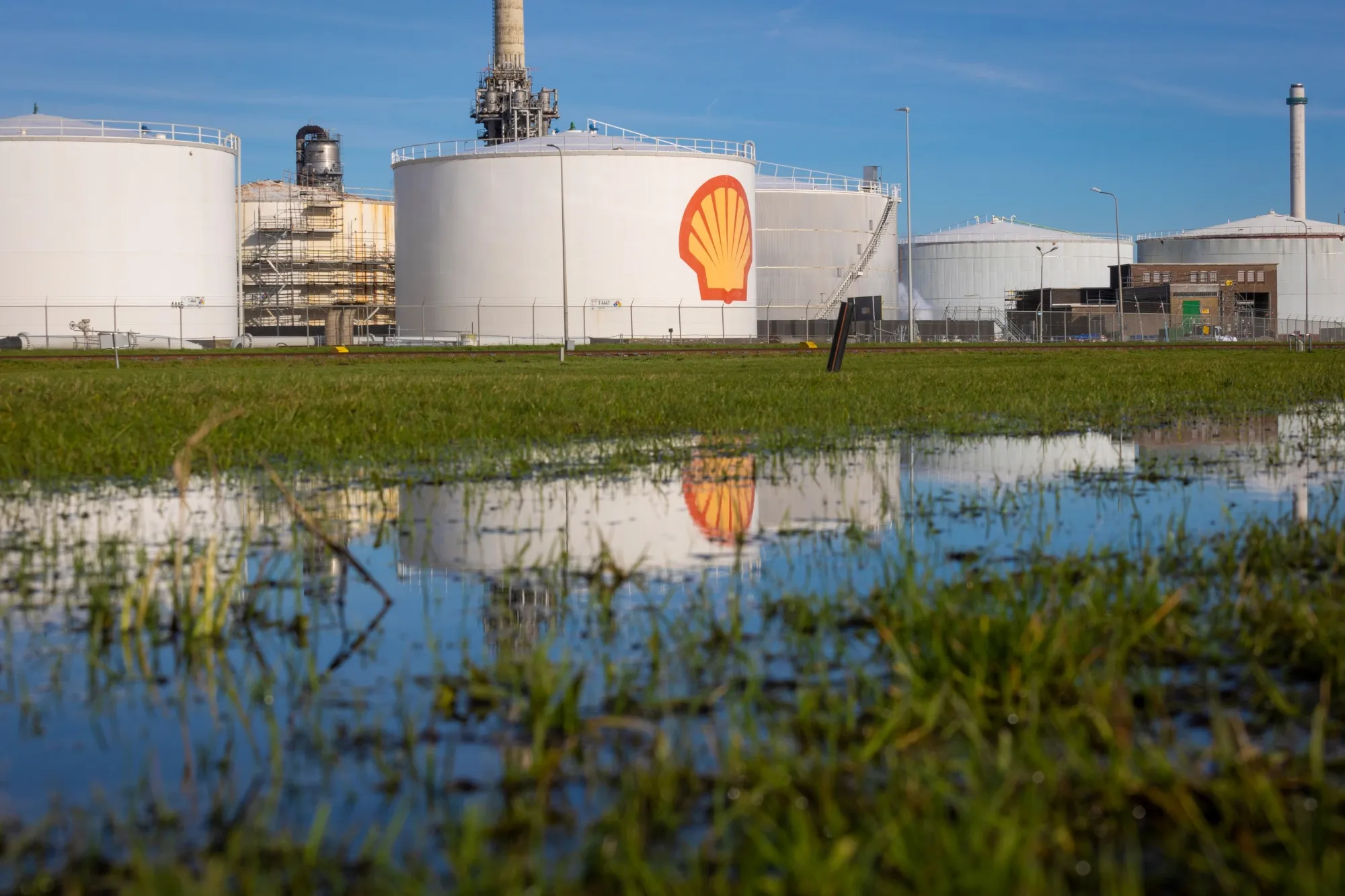
Oil giant Shell Plc made record-breaking payments to the Nigerian government in 2024, remitting a staggering $5.34 billion (about ₦8.01 trillion) in taxes, royalties, and other statutory fees – the highest the multinational paid to any country globally last year.
The data, released under the UK’s corporate transparency regulations, offers a rare glimpse into the fiscal dynamics of Nigeria’s oil and gas sector. Shell’s contribution represents a 40.5% jump from the $3.8 billion it paid in 2023, fuelled largely by increased production entitlements.
Breakdown of the Payments
Shell’s financial commitment to Nigeria was spread across various government agencies and obligations:
- Production Entitlements: $3.8 billion, primarily to the Nigerian National Petroleum Corporation (NNPC).
- Taxes: $648.7 million, including corporate income tax paid to the Federal Inland Revenue Service (FIRS).
- Royalties: $770.2 million, paid to the Nigeria Upstream Petroleum Regulatory Commission (NUPRC).
- Fees: $102 million for regulatory and statutory purposes.
These figures focus exclusively on extractive-sector obligations and do not include other levies such as Value Added Tax (VAT) or payroll taxes.
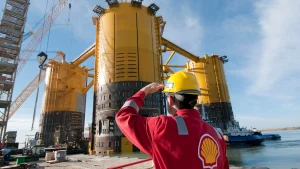
Despite Shell’s planned exit from onshore oil assets in Nigeria, the company remains a dominant player in the country’s upstream sector. Its 2024 payments highlight the economic significance of projects like the Bonga deepwater field, where production remains robust.
Shell’s divestment strategy includes a $1.3 billion deal to transfer onshore assets to the Renaissance Consortium, a move that has drawn scrutiny from Nigerian lawmakers. In March 2025, the House of Representatives summoned Shell and other operators over a ₦9.4 trillion debt, intensifying focus on the oil majors’ responsibilities, particularly regarding environmental cleanups and legacy obligations.
Shell’s payment is a reflection of Nigeria’s broader dependence on the oil and gas sector for government revenue. In 2024, the FIRS reported ₦9.96 trillion in oil tax receipts, with Shell contributing a significant share.
The country’s current tax regime for petroleum includes:
- Corporate Income Tax (CIT): Currently 30%
- Petroleum Profits Tax (PPT): Up to 60+% for upstream activities.
- Royalties and Other Fees: Rates vary by field and operational contracts.
As Shell transitions to offshore operations and targets net-zero carbon emissions by 2050, questions loom over how local operators taking over onshore assets will match the financial and environmental standards set by the multinational.
Nevertheless, Shell’s 2024 contributions confirm its enduring relevance in Nigeria’s economic structure. As the energy landscape evolves, Shell’s fiscal footprint offers both a benchmark and a challenge for emerging domestic players in the oil and gas industry.