

By Olatunbosun Obafemi
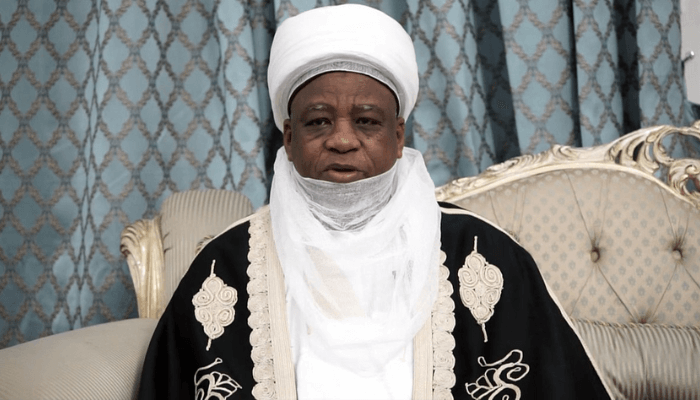
The Sultan of Sokoto, Muhammadu Sa’ad Abubakar III, has dismissed claims that Islam is aimed at seizing political power in Nigeria, stressing that the religion promotes good governance, peace, and moderation.
Speaking on Friday at the public presentation of Scars: Nigeria’s Journey and the Boko Haram Conundrum, a book authored by former Chief of Defence Staff, Gen. Lucky Irabor, the monarch urged Nigerians to guard against misconceptions that fuel suspicion and division.
“I correct the notion when Bishop Kukah spoke about Islamism,” the Sultan said. “Islamism is not to seize power anywhere. Islam is after good governance. When President Goodluck Jonathan was in office, we gave him full support without saying anything negative against him. What we seek is justice, fairness, and accountability, not power.”
He recalled that in 2011 and 2019 he faced criticism for publicly emphasizing that Islam values good governance, not extremism. “Islam abhors extremism. You cannot be an extremist and claim to be a good Muslim. Our conduct is guided by the Quran, the Hadith, and the consensus of scholars,” he explained.
The Sultan further clarified misconceptions about jihad, insisting it does not mean violence against non-Muslims. “Jihad means striving to be the best you can be — as a Muslim, a Christian, a farmer, or an engineer. To say jihad is killing non-Muslims is a wrong notion people have circulated for decades,” he said.
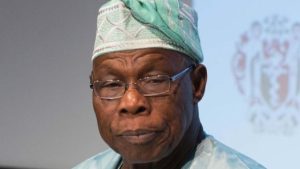
Former President Olusegun Obasanjo, who also spoke at the event, warned that Boko Haram had dangerously become embedded in Nigeria’s daily reality, calling for urgent action to tackle the insurgency.
“Boko Haram is virtually becoming part of our lives. Should we accept that? If not, what should we do? Have we been active and proactive enough? We must ask the necessary questions if we want to overcome this monster,” Obasanjo said.
The former president, who wrote the foreword to Irabor’s book, commended the retired military chief for his courage in documenting insider perspectives on the fight against terrorism.
The unveiling ceremony was attended by former President Goodluck Jonathan, service chiefs, governors, clerics, and other dignitaries.