


By Ebenezer Mabinuola
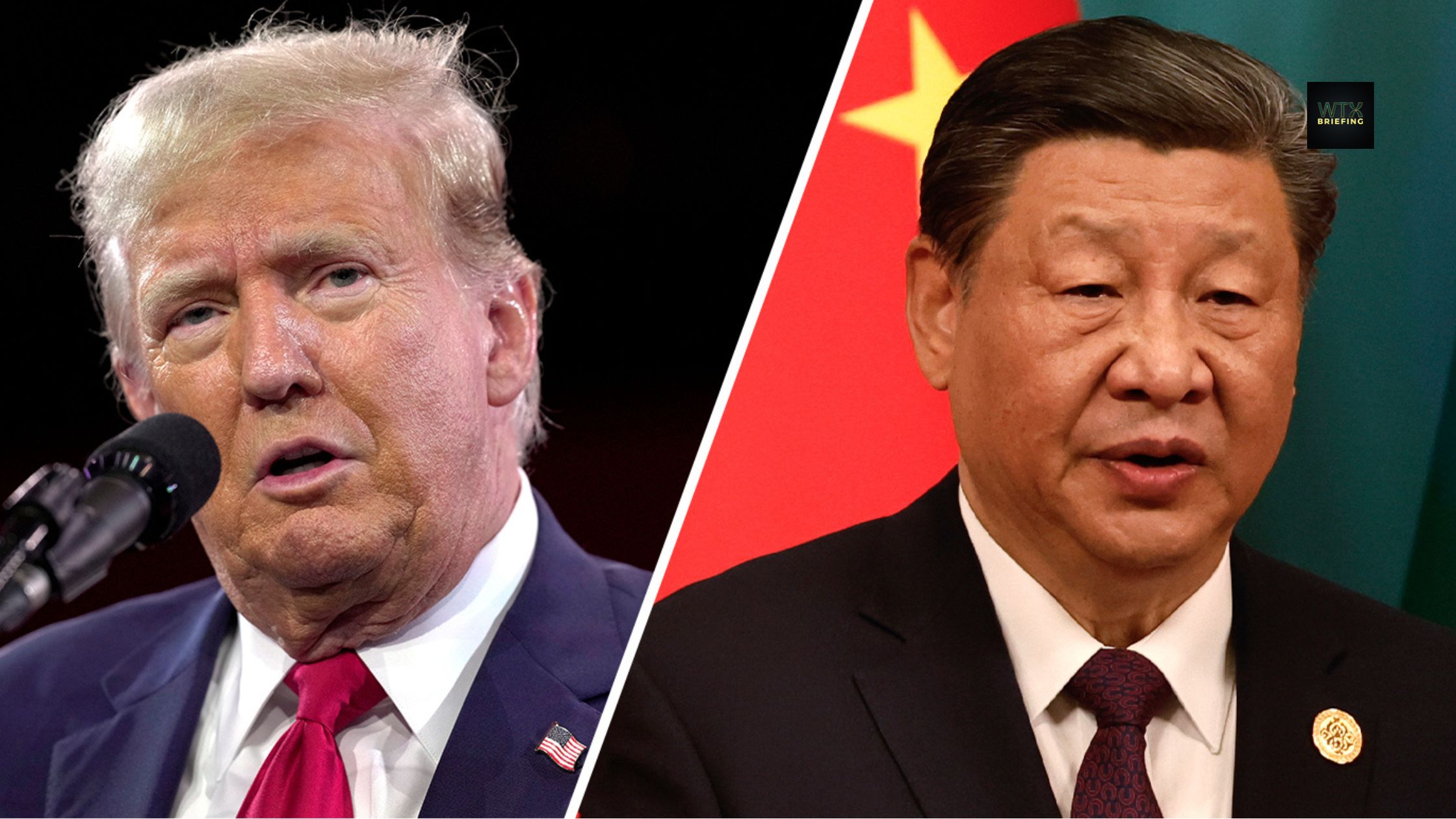
In a key development aimed at easing months of escalating trade tensions, the United States and China have agreed to a temporary 90-day reduction in tariffs on each other’s goods. The short-term deal follows intensive closed-door negotiations in Geneva and is intended to de-escalate the economic standoff that has unsettled global markets and raised fears of a recession.
Earlier this year, the U.S. imposed a sweeping 245% tariff on Chinese imports, prompting China to respond with its own 125% tariff on American goods. These measures marked one of the most intense phases of the ongoing trade dispute between the world’s two largest economies.
Following the Geneva talks, U.S. Treasury Secretary Scott Bessent and Chinese Vice Premier He Lifeng jointly announced that both nations would scale down these tariffs to a flat 10% rate for the next three months. Bessent described the agreement as “a meaningful reduction in trade barriers,” noting that reciprocal tariffs have been reduced by 115%, which “effectively stabilizes the trade environment for the time being.”
U.S. Trade Representative Jamieson Greer emphasized that while the deal is not a comprehensive trade pact, it lays the groundwork for future negotiations. “This pause allows for uninterrupted commerce and signals mutual goodwill,” he said. Effective immediately, the U.S. will lower duties on Chinese goods to 30%, while China will cut its rate to 10%. The agreement also suspends additional retaliatory measures enacted earlier in the dispute.
Vice Premier He Lifeng called the talks “constructive and candid,” highlighting progress toward a broader cooperative framework.
Market Reactions and Economic Impact
Financial markets responded positively. In Asia, Hong Kong’s Hang Seng Index rose 3.4%. European indexes also climbed, with Germany’s DAX up 1.2%, France’s CAC gaining 1%, and London’s FTSE adding 0.3%. In the U.S., stock futures surged ahead of the market open: the Dow was set to rise 2.1%, the S&P 500 by 2.7%, and the Nasdaq by 3.6%. The ICE Dollar Index rose 1.3%, and Brent crude oil prices increased by 2.8%.
According to the joint U.S.-China statement, the tariff reductions take effect May 14. While most retaliatory duties are being suspended, U.S. tariffs related to fentanyl imports will remain in place.
Neil Wilson of Saxo Markets welcomed the pause as a positive step but cautioned that deeper structural tensions remain. “This is a temporary reprieve—not a permanent solution. The broader economic decoupling is still in motion,” he said.
Bilateral Dialogue and Policy Goals
To support continued negotiations, the U.S. and China will form a joint economic working group, led by Bessent, Greer, and He Lifeng. The team will meet regularly in rotating locations, including Washington, Beijing, and neutral venues.
The Trump administration hailed the deal as a strategic win, coming just days after a separate trade accord with the United Kingdom. According to White House officials, the U.S. will eliminate certain tariffs imposed in April while retaining others enacted under Sections 301 and 232, along with fentanyl-related duties. China will roll back its retaliatory tariffs and remove non-tariff barriers introduced in early April.
The remaining 10% baseline tariff is intended to protect domestic industries while addressing long-standing trade imbalances. In 2024, the U.S. trade deficit with China reached $295.4 billion—the largest with any single country.
Broader Implications and Continued Caution
The tariff truce also lifted global shipping stocks: Maersk shares climbed more than 12%, and Hapag-Lloyd jumped 14%, with both companies citing renewed trade stability. Gold prices fell 3% to $3,224.34 per ounce, as investor confidence returned to equities.
Despite these gains, analysts warn that the core issues—such as disputes over technology, national security, and supply chains—remain unresolved.