

By Olatunbosun Obafemi
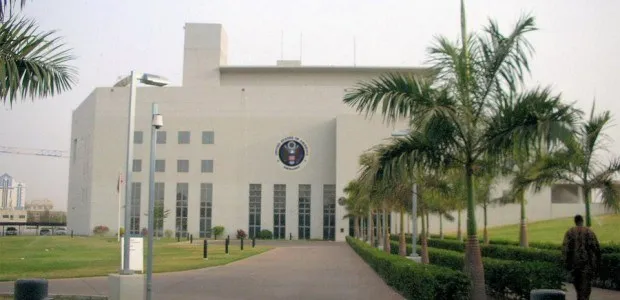
The United States Embassy in Nigeria has raised alarm over what it describes as a growing pattern of fiscal irresponsibility by Nigerian state Governors, who continue to spend billions of naira on luxury building projects while millions of citizens grapple with poverty, inflation, and crumbling public services.
In a post shared on its official X (formerly Twitter) handle, the Embassy cited an investigation by The Africa Report, which revealed how Governors across several states have channeled massive public funds into the renovation and construction of government houses and legislative buildings – often prioritizing these over essential services.
One of the most glaring examples highlighted was Oyo State, where Governor Seyi Makinde approved a staggering ₦63.4 billion to renovate the Government House – a figure that surpasses the state’s combined allocations to health, agriculture, and pensions, according to Daily Independent. In Gombe State, ₦14.9 billion was earmarked for a new Governor’s residence, and ₦14.2 billion for a House of Assembly complex – in a state ranked among Nigeria’s poorest.
In total, over ₦200 billion has reportedly been spent across Zamfara, Bauchi, Benue, Anambra, and Kano states between 2023 and 2025 on similar vanity projects.
Analysts say the trend is a shocking misplacement of priorities. “Instead of fixing schools and clinics, our leaders are beautifying where they live and work,” said BudgIT, a civic group monitoring public finance.
Critics argue that the excesses by Governors mirror those at the federal level. The Federal Government itself has faced repeated backlash – from the ₦38 billion renovation of the International Conference Centre, to the purchase of luxury vehicles for lawmakers, a yacht for the Presidency, and even a proposed new presidential jet.
This spending spree continues even as inflation nears 24%, fuel prices soar, and over 60% of Nigerians live below the poverty line.
The U.S. Embassy’s message may be subtle, but it reflects growing international concern about Nigeria’s leadership and governance culture. Whether it will prompt a genuine shift in how public funds are managed remains uncertain.
As citizens grow weary of repeated warnings that yield no reform, a haunting question lingers: Will sanity ever return to Nigeria’s public spending culture – or is wasteful governance here to stay?
Only time will tell.