

By Ebenezer Mabinuola
On World Environment Day, the United Nations Environment Programme (UNEP) issued a powerful call to action, urging world leaders to unite behind a binding global Plastics Treaty to tackle the escalating crisis of plastic pollution.
In a stark 92-second video shared at 5:21 PM WAT across UNEP’s social platforms, the agency spotlighted the human and ecological toll of unchecked plastic waste.
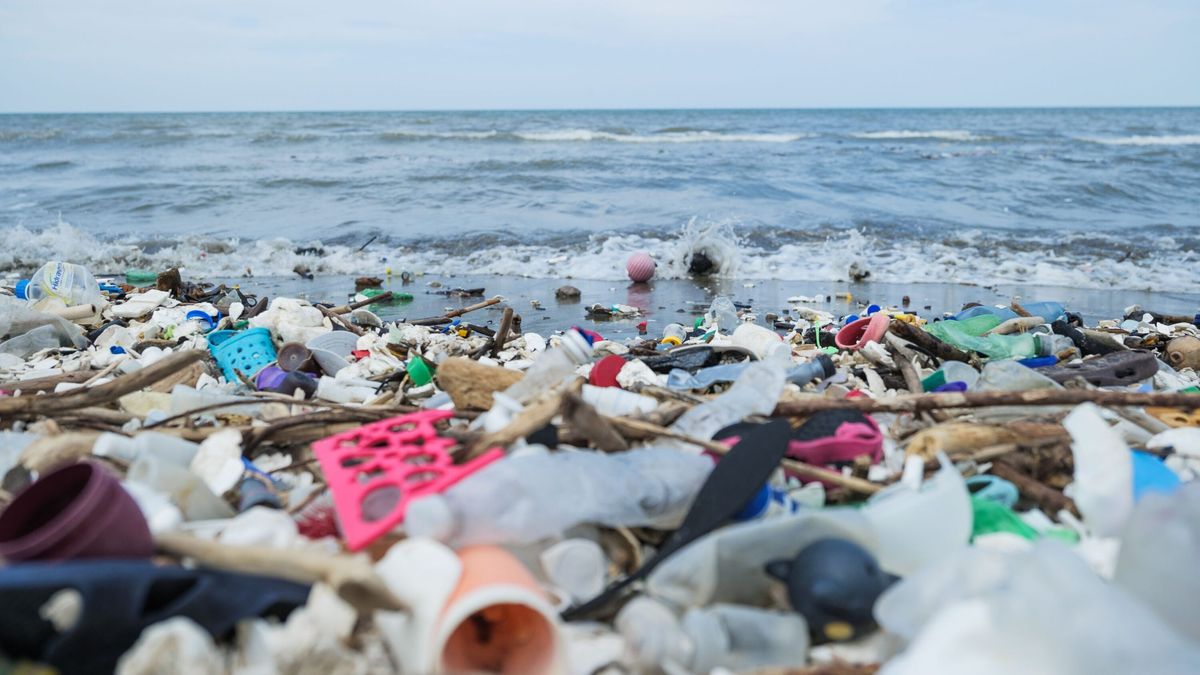
The haunting visuals—clogged rivers, polluted beaches, and dead wildlife—were paired with a sobering message: “Bit by bit, plastic pollution is choking our planet.” The video featured UN Secretary-General António Guterres calling for “strong solutions backed by an ambitious #PlasticsTreaty to #BeatPlasticPollution.”
Plastic pollution is now one of the world’s most pressing environmental threats. With plastic waste projected to reach 460 million tonnes annually by 2025 and over 33 billion pounds entering the oceans each year, scientists warn that plastics may outweigh fish in the seas by 2050. Marine life suffers deeply: one million seabirds and 100,000 marine animals die each year due to plastic ingestion or entanglement. Every baby sea turtle studied has been found with plastic in its system.
Negotiations for an international treaty have been ongoing since 2022. The next round of talks is set for August 2025, with key issues still unresolved—including limits on production, waste reduction targets, and enforcement mechanisms.
UNEP emphasized that the treaty must cover the full lifecycle of plastics, from production to disposal, and encouraged investment in emerging solutions like Hydrochemolytic technology. With mounting environmental, health, and economic consequences, UNEP warned the world: the time for half-measures is over.