By Olatunbosun Obafemi
United Nations sanctions against Iran came back into force late Saturday for the first time in a decade, following the collapse of last-ditch nuclear negotiations with Western powers.
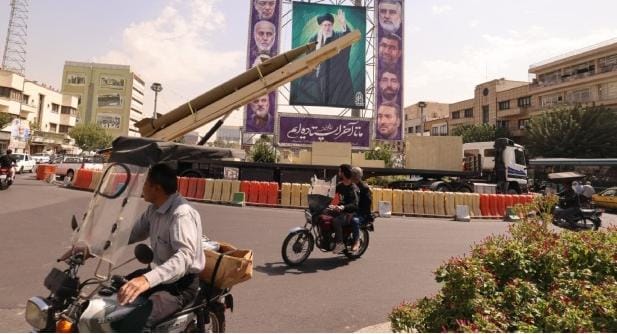
The measures, triggered three months after Israel and the United States bombed Iranian nuclear facilities, prohibit dealings related to Tehran’s nuclear and ballistic missile programmes. They are also expected to further strain an already fragile Iranian economy.
US Secretary of State Marco Rubio urged Tehran to accept “direct talks held in good faith” and called on UN member states to “immediately” enforce the sanctions. Britain, France and Germany, which pushed for the snapback, said in a joint statement that diplomacy was not over, stressing they remained committed to ensuring Iran “never acquires a nuclear weapon.”
Iranian President Masoud Pezeshkian rejected a US proposal offering temporary relief in exchange for surrendering Tehran’s enriched uranium stockpile, calling it unacceptable. Meanwhile, Iran allowed UN inspectors to return to nuclear sites but recalled its envoys from European capitals in protest.
Efforts by Russia and China to delay the sanctions until April failed at the UN Security Council on Friday. Moscow has already declared it will not enforce the measures, with Foreign Minister Sergei Lavrov accusing the West of “blackmail and pressure.”
The sanctions restore penalties lifted under the 2015 nuclear deal brokered by former US president Barack Obama, which collapsed after Donald Trump withdrew the United States and reimposed unilateral restrictions. Several rounds of Omani-brokered US-Iran talks earlier this year also broke down in June after Israeli and American strikes on Iranian facilities.
The economic fallout was immediate in Tehran, where the rial slid to a record 1.12 million to the dollar on the black market and gold shops in the Grand Bazaar reported a rush in demand. “The situation was already very difficult, but it’s going to get worse,” said Dariush, a 50-year-old engineer, pointing to soaring prices and a falling standard of living.
Analysts warn the renewed sanctions could deepen Iran’s economic malaise. The International Crisis Group noted that while Tehran has adapted to US restrictions, the UN snapback will be harder to reverse, as it requires Security Council consensus.
Israeli Prime Minister Benjamin Netanyahu, addressing the UN General Assembly, welcomed the sanctions’ return and hinted that Israel was prepared to take further military action if necessary. Iranian officials insist the country is not pursuing nuclear weapons.