

The US House Appropriations Committee has approved new provisions in its annual State Department funding bill that seek to tighten oversight and impose conditions on financial assistance to Nigeria. Notably, US Moves to Condition Aid to Nigeria is a major development under the current legislative process.
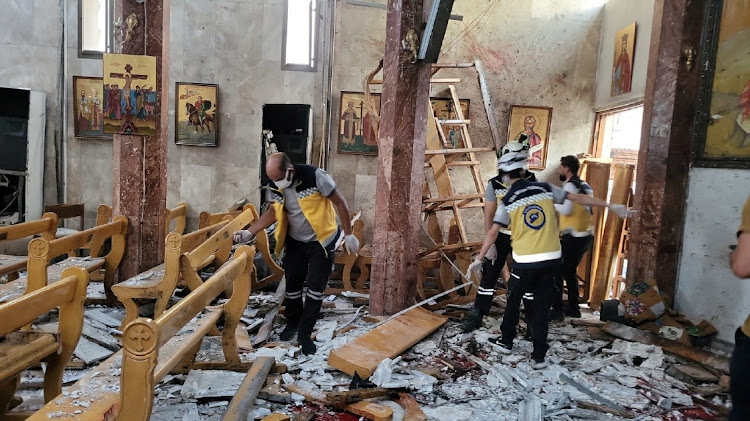
The measures are contained in the Fiscal Year 2027 National Security, Department of State, and Related Programs appropriations bill passed on Wednesday. Lawmakers cited what they described as the administration of Bola Ahmed Tinubu failing to adequately address ongoing violence against Christians, including attacks attributed to Fulani militants and jihadist groups. This shows that the US Moves to Condition Aid to Nigeria reflects growing concern over human rights and security issues.
Under the proposed legislation, billions of dollars have been allocated across key programmes, including $6.89 billion for National Security Investment Programs – of which at least 15 per cent is designated for Africa – $870 million for Nonproliferation and Anti-terrorism efforts, $119.15 million for International Military Education and Training, and $1.66 billion for International Narcotics Control and Law Enforcement. However, no specific amount was earmarked directly for Nigeria.
Instead, the bill introduces strict conditions: 50 per cent of any funds allocated to Nigeria under the relevant foreign assistance titles will be withheld until the US Secretary of State certifies that the Nigerian government is taking “effective steps” to address violence and ensure accountability. Therefore, US Moves to Condition Aid to Nigeria demonstrates Washington’s intention to link aid disbursement to clear progress on security and governance reforms.
These conditions include preventing and responding to attacks, prosecuting perpetrators, supporting victims – particularly internally displaced persons – and facilitating the safe return and reconstruction of affected communities. The legislation also requires that US funds support investigations and prosecutions related to violence involving Fulani militia groups.
Additionally, the bill mandates a cost-matching framework, requiring the Nigerian government to contribute its own funding alongside US assistance “to the maximum extent practicable.” The funds are expected to support initiatives such as early warning systems, religious freedom, security sector accountability, humanitarian assistance, and disarmament and reintegration programmes.
If passed into law by Congress and signed by the US President, Nigeria would also be placed on a special watchlist under Section 7015. This would require the US government to notify congressional committees at least 15 days before disbursing any funds to the country, placing Nigeria alongside countries such as Pakistan, Iraq, and Ukraine under heightened scrutiny. As a result, US Moves to Condition Aid to Nigeria will enhance transparency and oversight of US funding to the country.
The move follows sustained international concern over religious violence in Nigeria. In November 2025, US President Donald Trump designated Nigeria a “Country of Particular Concern” over alleged persecution of Christians.
Reacting to the bill, Congressman Riley Moore criticised the Nigerian government’s handling of insecurity, alleging that it has failed to adequately protect Christian communities.
The Federal Government has, however, consistently denied allegations of religious persecution, maintaining that the violence is not driven by religion and highlighting ongoing security cooperation with the United States.