


By Olatunbosun Obafemi
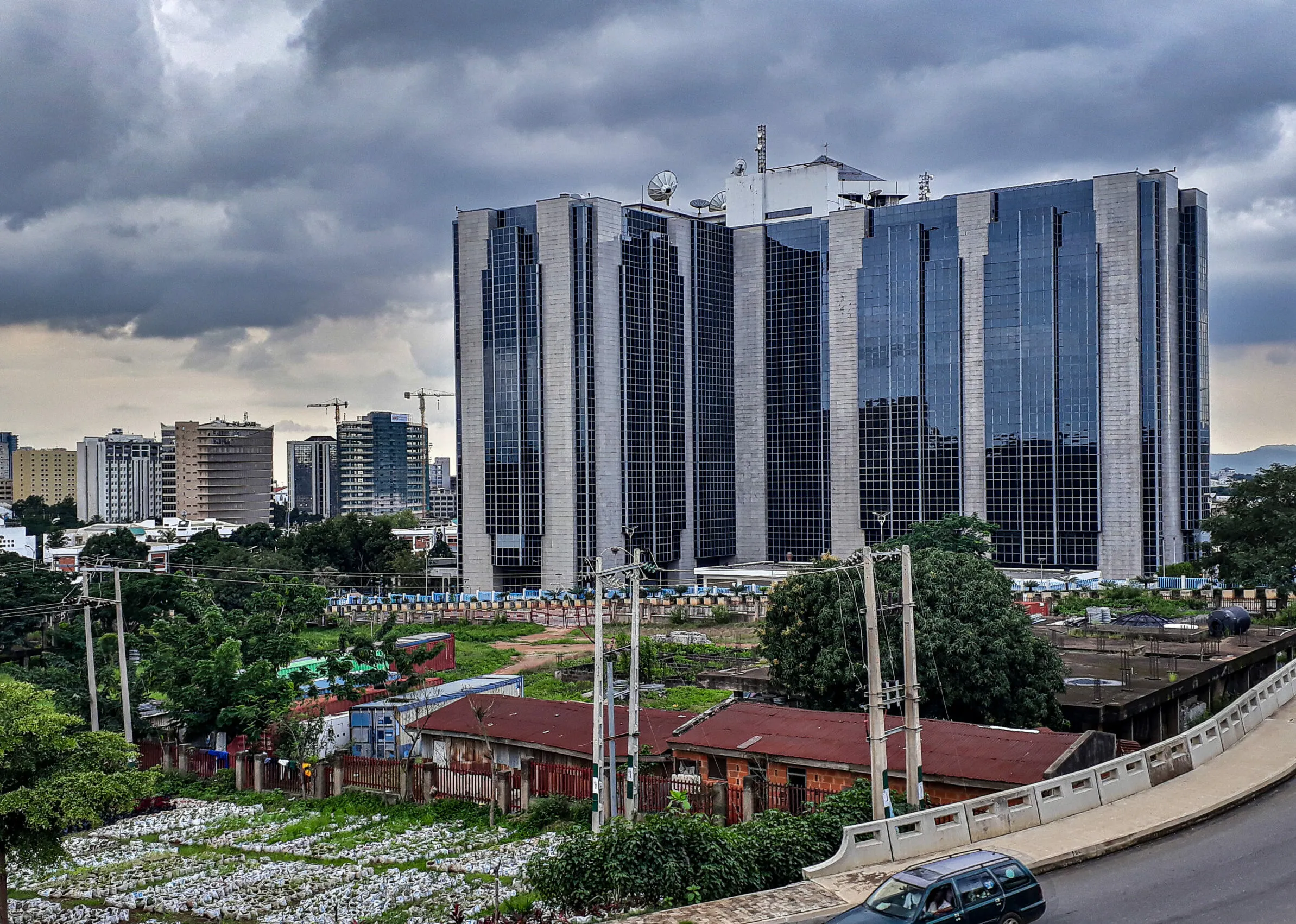
The Central Bank of Nigeria (CBN) has barred banks under regulatory forbearance from paying dividends, issuing executive bonuses, or making foreign investments.
The policy, aimed at strengthening the banking sector, comes in response to the lingering economic effects of COVID-19, subsidy removal, and exchange rate reforms. Financial analyst Ugodre Obi-Chukwu explained that forbearance allows banks temporary relief to stabilize during crises but must be managed carefully to avoid long-term risks.
The CBN’s latest move targets banks that have breached Single Obligor Limits and other credit exposure thresholds. By restricting profit distribution, the CBN seeks to boost capital buffers and prepare institutions for recapitalization, which may exceed the current ₦500 billion benchmark. Obi-Chukwu stressed that while some loans may prove difficult to recover, banks must now provision for risks and adopt stronger risk management practices.
The policy shift signals a return to stricter financial discipline to foster long-term stability and investor confidence.