

By Olatunbosun Obafemi
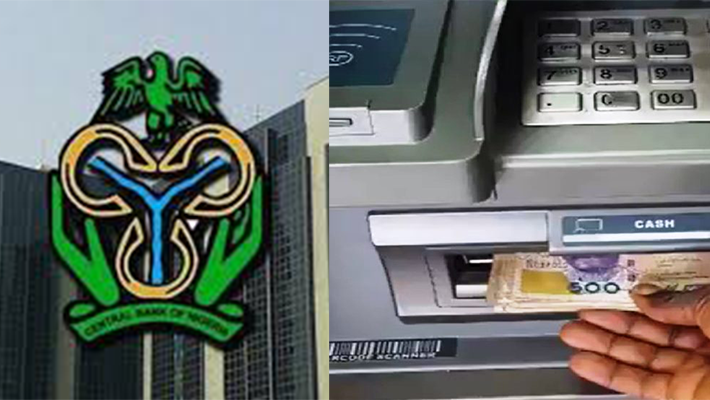
The Central Bank of Nigeria (CBN) has introduced a revised ATM fee structure, effective March 1, 2025, eliminating free remote withdrawals and imposing new charges on cash transactions. The move has triggered widespread criticism from Nigerians, particularly those in low-income and cash-dependent communities.
Under the new guidelines, ATM withdrawals at a customer’s own bank (On-Us) remain free only up to ₦20,000. Withdrawals exceeding that amount now attract a ₦100 fee, even at ATMs located within bank premises. For withdrawals at other banks’ ATMs (Not-On-Us), a flat ₦100 is charged per ₦20,000. Off-site ATMs—such as those in malls or petrol stations—may carry additional surcharges of up to ₦500.
International ATM transactions have also been restructured. Customers will now pay the exact charges set by foreign payment processors, following a cost-recovery model. Additionally, the previous provision of three free remote withdrawals per month has been scrapped.
The CBN says the changes are meant to promote digital banking and recover rising service delivery costs. However, the new charges have sparked outrage on social media and criticism from civil society groups like the Socio-Economic Rights and Accountability Project (SERAP), which has called for the immediate withdrawal of the policy, arguing it could deepen financial exclusion and inequality.
While Nigeria’s economy showed signs of recovery in 2024—with 3.4% GDP growth and improved revenue—the new fees have raised concerns about the burden on everyday Nigerians amid ongoing inflation and infrastructure challenges. Analysts note that digital banking must be backed by reliable electricity, internet access, and affordable devices to avoid excluding vulnerable populations.
The revised ATM policy, though aligned with the CBN’s modernization goals, faces growing pressure to be reconsidered in light of Nigeria’s socio-economic realities.