By Desire Emmanuel with Agency Reports
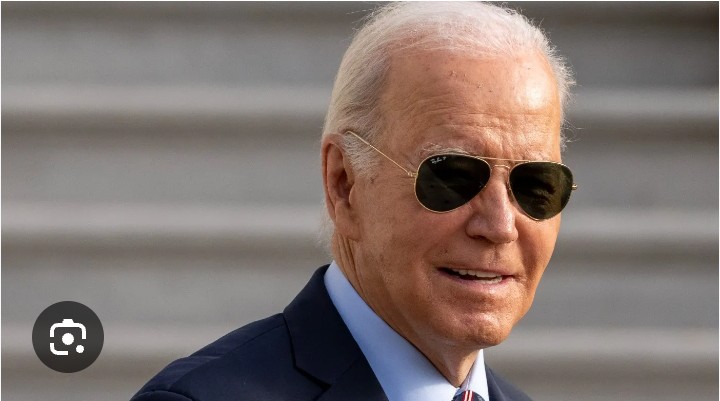
Former US President Joe Biden on Tuesday, September 8, shared an update on his battle with prostate cancer, saying radiation treatment has worked as intended while urging people to speak to their doctors about early detection.
Biden made the comments in a post marking Prostate Cancer Awareness Month, reflecting on his own diagnosis last spring, Newsweek reported.
“This year it’s more personal for me,” Biden wrote. “More than 330,000 American men this year will hear the words we did last spring when I was diagnosed with prostate cancer.”
Biden revealed in May 2025 that he had been diagnosed with an aggressive form of prostate cancer after experiencing urinary symptoms. Doctors determined that the cancer had already metastasized to his bones by the time it was discovered.
In his latest message, Biden stressed the importance of catching the disease early.
“When prostate cancer is caught early, the five-year survival is close to 100%,” he wrote, urging people not to delay speaking with their doctors.
Biden said men at average risk should begin discussing screening around age 50, while Black men should begin the conversation at 45 or earlier.
He also highlighted family history as an important risk factor, advising men whose father or brother had prostate cancer to speak with their doctors beginning at age 45, or earlier if multiple close relatives were affected.
Biden pointed to racial disparities in prostate cancer outcomes, writing that Black men are “nearly 70% more likely to get this disease and two to four times more likely to die from it.”
“Which is an outrage in the richest country in the world,” he added.
The 83-year-old former president also offered an update on his ongoing treatment, expressing gratitude to the doctors, nurses and other medical professionals caring for him.
“The radiation treatment from last fall worked as intended,” Biden said, adding that he continues to work on projects that matter to him, including finishing his memoir.
Biden also thanked people who have offered prayers and support to him and his family since his diagnosis.
“It’s my hope and prayer that by sharing our experience and being part of this important conversation, we can help save lives,” he wrote.
“Talk to your doctors. Ask the hard questions. Do it for yourself, and do it for the people who love you. And no matter what, keep the faith. God bless you.”