


By Olatunbosun Obafemi
The conflict between Israel and Iran intensified on Tuesday, marking a fifth straight day of mutual airstrikes, with U.S. President Donald Trump urging civilians to flee Tehran. The plea came after Iran rejected a U.S.-proposed deal aimed at curbing its nuclear programme.
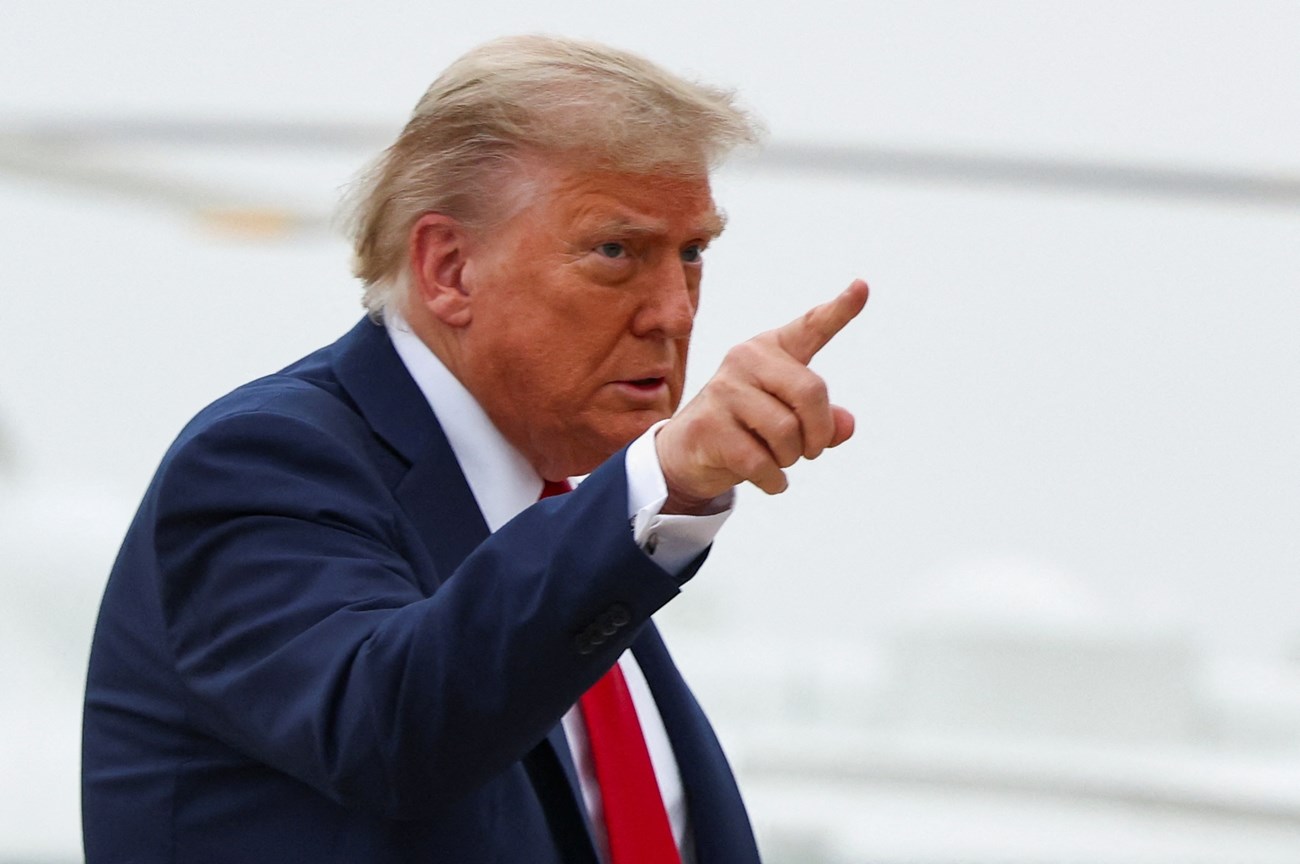
From the G7 summit in Canada, which he left early due to the unfolding crisis, Trump warned, “Everyone should immediately evacuate Tehran,” blaming Iran’s leadership for refusing what he described as a path to peace. “IRAN CAN NOT HAVE A NUCLEAR WEAPON,” he wrote on his Truth Social platform.
Amid the escalating conflict, the U.S. is moving swiftly to boost its military posture. Two U.S. officials confirmed that over 31 aerial refuelling aircraft had been dispatched to Europe. The aircraft carrier USS Nimitz, carrying 5,000 personnel and more than 60 aircraft, is also en route to the Middle East. The Pentagon says these moves are defensive but signal readiness for sustained conflict.
Israel launched its offensive last Friday, claiming Tehran was nearing nuclear weapons capability. Since then, hundreds have died, mostly civilians. Iranian officials reported 224 deaths, while Israel confirmed 24 casualties and thousands displaced.
Defense Secretary Pete Hegseth confirmed on X that additional U.S. assets are being deployed, prioritising protection of American forces in the region. Meanwhile, air defenses in Tehran and Natanz, site of a major nuclear facility, responded to Israeli strikes overnight.
Trump reportedly vetoed an Israeli plan to target Iran’s Supreme Leader, stressing the U.S. won’t support attacks on political leaders unless Americans are directly threatened.
With ceasefire talks derailed and oil prices surging, diplomatic efforts face uncertainty. Iran has asked Gulf states to mediate, offering nuclear concessions if Israel halts attacks. But Israel vows to continue its campaign unless Iran relents on its nuclear ambitions.