


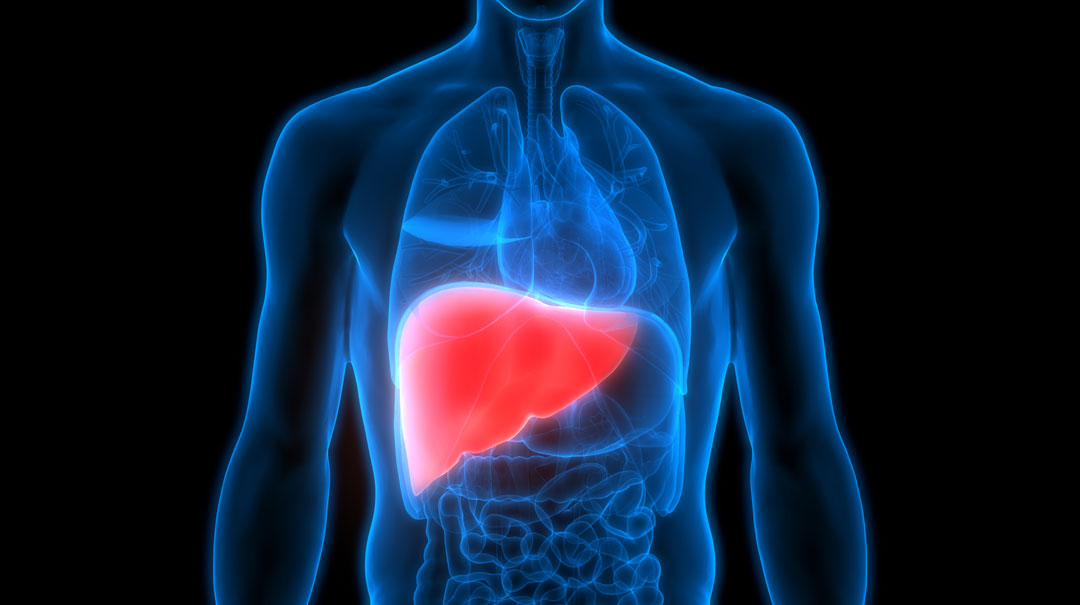
The couple, both in their 30s, had been married for three years and had two children, but their peaceful life was turned upside-down late last month when the husband was diagnosed with a rare liver disease called primary biliary cirrhosis.
Doctors informed the man that without a suitable liver transplant, he had only about a year left to live.
After being put on the transplant list, the man enjoyed the support of his parents, who spared no expense in funding his medical treatment, and the care of his wife, who remained by his side throughout the ordeal. However, without a viable liver transplant, his clock was ticking.
When doctors discovered that the man’s wife was a suitable donor, with an HLA (Human Leukocyte Antigen) compatibility of over 95 per cent, it seemed like a miracle had occurred.
But the man’s happiness was short-lived, as the wife informed the doctors and her husband’s family that she suffered from a “pathological fear of needles and sharp objects” and could not go through with the surgery to donate part of her liver.
After the initial shock, the man started mocking the wife’s efforts in caring for him at the hospital, telling her that it was all in vain, and that she might as well kill him, because she just wanted to see him die.
His parents started pressuring her as well, asking her if she just wanted her husband and the father of her children dead when it was in her power to save him.
When all seemed lost, a brain-dead donor was found, and the husband underwent a successful liver transplant.
But that was not the end of the story. Following his recovery, the man began investigating his wife’s fear of needles and sharp objects and discovered that she had undergone an appendectomy and several blood tests without any issues.
Confronted by her husband, the woman eventually admitted that her so-called phobia was actually a deep fear of complications during the surgery that could potentially leave her children without a mother.
The explanation was not enough to appease her spouse, who filed a lawsuit against her, accusing her of “malicious abandonment” and ignoring her marital duties.
The story sparked a heated online debate in South Korea, but the court ended up giving judgment in favour of the wife, arguing that organ donation is a personal matter and cannot be considered an obligation, even between spouses.
The ruling also acknowledged that the woman’s refusal was based on reasonable concern for the well-being of their children.