The National Orthopaedic Hospital, Igbobi, Lagos (NOHIL), has raised concerns over the worsening impact of brain drain, poor funding, and inadequate infrastructure on specialised healthcare delivery in Nigeria, warning that the country risks losing critical manpower needed to sustain orthopaedic and trauma care services.
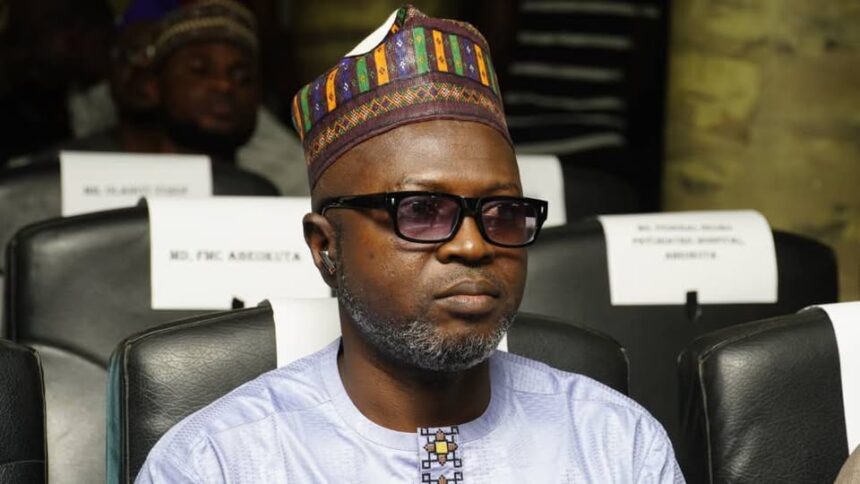
Speaking ahead of the hospital’s 80th anniversary celebration, the Medical Director, Dr Wakeel Olaide Lawal, lamented that many trained doctors and healthcare professionals now prefer private hospitals or opportunities abroad due to poor remuneration and difficult working conditions in government hospitals.
“The challenge of retaining staff is real. Many doctors reject government employment because you do more work but earn less,” Lawal said.
He disclosed that during the hospital’s recent recruitment exercise, several pharmacists and doctors turned down employment offers after learning about the salary structure.
“They asked for the salary and decided it was better to remain in private practice. Here, you work more under pressure, yet the pay is not encouraging,” he added.
Lawal explained that the situation is worsened by the high cost of living in Lagos, transportation expenses, and lack of affordable accommodation for workers.
“Some of our workers spend about ₦3,000 daily just to get to work. Accommodation in Lagos can cost between ₦3 million and ₦4 million yearly, yet salaries remain the same nationwide,” he said.
Established in 1945 to rehabilitate soldiers returning from World War II, the hospital has evolved into one of West Africa’s leading centres for orthopaedics, trauma care, plastic and reconstructive surgery, rehabilitation, and deformity correction.
According to Lawal, the hospital has significantly reduced medical tourism by developing local expertise in joint replacement, spine surgery, sports medicine, and minimally invasive procedures.
“Ten to fifteen years ago, many patients travelled abroad for complex orthopaedic surgeries. Today, hardly any orthopaedic procedure cannot be done here with excellent outcomes,” he stated.
He revealed that over 70 per cent of orthopaedic surgeons in Nigeria were trained at the institution.
Despite the achievements, Lawal warned that ageing infrastructure and inadequate funding remain major threats to healthcare delivery, noting that critical projects, including a new accident and emergency complex and rehabilitation centre upgrades, are progressing slowly due to limited funds.
“Our accident and emergency building is under construction, but progress is slow because of funding,” he said.
He also disclosed that the hospital spends between ₦50 million and ₦60 million monthly on electricity alone, excluding diesel and generator maintenance costs.
Lawal appealed to philanthropists, corporate organisations, and development partners to support the hospital in upgrading facilities and expanding infrastructure.
As part of activities marking its 80th anniversary, the hospital will organise medical outreaches, free screenings, awareness campaigns, and treatment programmes for indigent patients.