


By Nchetachi Chukwuajah
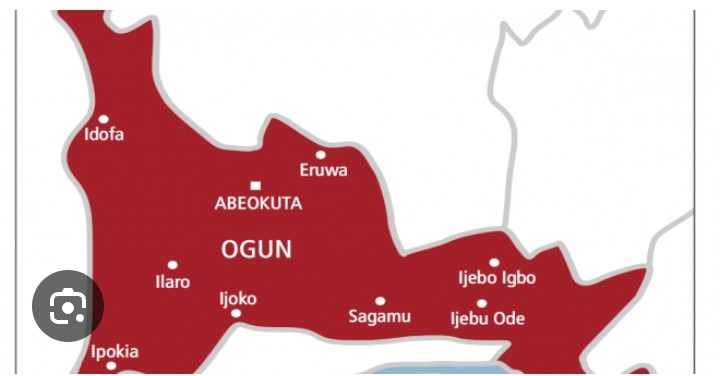
The Ogun State government has commenced a health audit of residents of Ogijo in Sagamu Local Government Area over possible lead exposure in the community.
The state government had in November 2025 shut down seven factories involved in lead-acid battery recycling on the Ogijo axis of the state due to possible lead poisoning.
The government equally announced the temporary suspension of lead ingot exportation pending investigation into alleged lead contamination in the community.
The decision followed an on-the-spot inspection of the community by the government, led by the Commissioner for Environment, Dr Ola Oresanya, following a viral video that raised concerns about possible lead poisoning.
The government also initiated environmental audits and commenced regulatory reviews to safeguard public health and restore public confidence.
The Commissioner for Health, Dr Tomi Coker, in a statement on Monday, February 23, announced the commencement of the health audit during a stakeholders’ engagement held at the Ologijo’s palace after the completion of blood sample collection from over 500 selected residents to determine their blood lead levels.
Dr Coker said that the global attention that followed reports by some international media organisations had placed the community in the international spotlight and necessitated a deliberate and structured government response.
She said: “Shortly after the reports emerged, both the Ministries of Health and Environment visited the communities to allay fears and outline a clear monitoring, evaluation, and response framework.
“The Ministry of Environment proceeded with environmental audits and assessments following the closure of companies identified to pose potential risks.
“The health sector deliberately adopted a scientific approach to its audit process. His Excellency, Governor Dapo Abiodun, directed that the Nigerian Institute of Medical Research be engaged to independently conduct the study to ensure the authenticity, transparency, and global credibility of the findings.
“We have ensured that NIMR is working independently to deliver unbiased results, and once the report is received, appropriate recommendations will be submitted to the governor for necessary action.”
The commissioner added that over 500 blood samples were collected from members of the community last week.
The commissioner also disclosed that some facilities that had earlier been sealed off had since been reopened by the Ministry of Environment following compliance reviews.
She stated that the Ministry of Health would institute a monitoring protocol requiring periodic blood lead level testing for workers in the affected industries to ensure they are not exposed to health risks.
Coker further assured the traditional leadership and residents that the Governor remains mindful of their welfare, noting that the government would continue to engage the community and collaboratively develop sustainable solutions based on the outcome of the scientific audit.
The Director-General/Chief Executive Officer of the NIMR, Professor Oladipo Obafunwa, said the institute deployed a professional team to conduct the exercise in line with established scientific standards.
Obafunwa explained that the sampling process was carefully designed to ensure representation across vulnerable groups and to ensure that laboratory analysis would be handled with the highest level of integrity, with findings presented objectively.