



By Olatunbosun Obafemi
The Lagos-Ibadan Expressway is arguably one of the most important highways in Nigeria, serving as a critical economic artery linking the bustling commercial capital, Lagos, with the rest of the country.
It is a lifeline for trade, mobility, and development. Yet, despite its importance, the expressway remains perilous, especially at night, largely due to inadequate lighting. The absence of functioning road lights on this major expressway is not just an inconvenience – it is a national disgrace and a persistent public safety hazard.
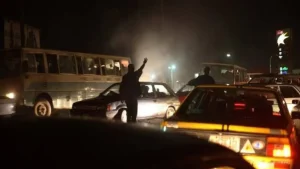
Driving on the Lagos-Ibadan Expressway at night without proper illumination is akin to taking a journey into the abyss. The darkness on this route magnifies every existing danger and introduces new ones. The road itself, already plagued by inconsistent construction zones, potholes, and confusing signage, becomes a labyrinth of uncertainty in the absence of light. For drivers, especially those unfamiliar with the terrain, navigating these treacherous stretches becomes not only stressful but life-threatening.
One of the most immediate and obvious dangers is the risk of vehicular accidents. Poor visibility means drivers are less able to see broken-down vehicles, animals, pedestrians, or debris on the road until it’s too late. Coupled with the fact that some vehicles plying the expressway at night lack adequate headlamps or tail lights, the chances of a deadly collision rise exponentially.
The expressway often plays host to heavy-duty trucks and tankers, many of which are poorly maintained and improperly parked along the shoulders of the road. Inadequate lighting transforms these stationary hazards into deadly traps.
Furthermore, the risk of criminal activity is heightened significantly under the cover of darkness. Armed robbery, carjacking, and kidnapping have all been reported on this expressway, particularly during night hours when visibility is low and security presence is scarce. Criminals exploit the lack of lighting to operate undetected and vanish before help can arrive. The expressway becomes a hunting ground, not only for opportunistic thieves but also for organized criminal syndicates who understand the vulnerability darkness creates.
What makes this situation particularly shameful is that this is not a new problem. For years, citizens have complained about the lack of lighting and poor maintenance of this critical road. Several government administrations have promised to fix the expressway – and while there have been improvements in road surface conditions in some sections – the essential element of visibility at night continues to be neglected. It is baffling that in the 21st century, a major national expressway still lacks functional lighting. In countries where road safety is a priority, street lights are basic infrastructure, not luxury amenities.
Moreover, the implications for the economy are also profound. Transporters, logistics companies, and long-distance commuters are often forced to restrict movement to daylight hours, thereby reducing efficiency and increasing delivery times. Emergency services face greater difficulty responding promptly to incidents that occur at night. The result is a net economic loss and reduced public trust in the government’s ability to safeguard lives and livelihoods.
The federal and state governments must treat this matter with the urgency it deserves. Installing and maintaining functional road lights along the entire length of the Lagos-Ibadan Expressway should be a top priority. Public-private partnerships could be explored for solar-powered street lights, which offer sustainability and cost-efficiency in the long term. Furthermore, surveillance systems integrated with lighting infrastructure could help improve road security and deter criminal activity.
Equally important is the need for accountability. Contracts awarded for road lighting projects must be transparent, monitored, and executed to the highest standards. The culture of awarding contracts that are never completed – or completed with substandard results – must be dismantled.
In conclusion, allowing one of Nigeria’s most vital highways to remain cloaked in darkness at night is both a moral and administrative failure. It endangers lives, stifles economic activity, and emboldens criminality. No Nigerian should have to gamble with their life simply because they chose to travel after sunset. The government must wake up to this reality – before more lives are needlessly lost.