


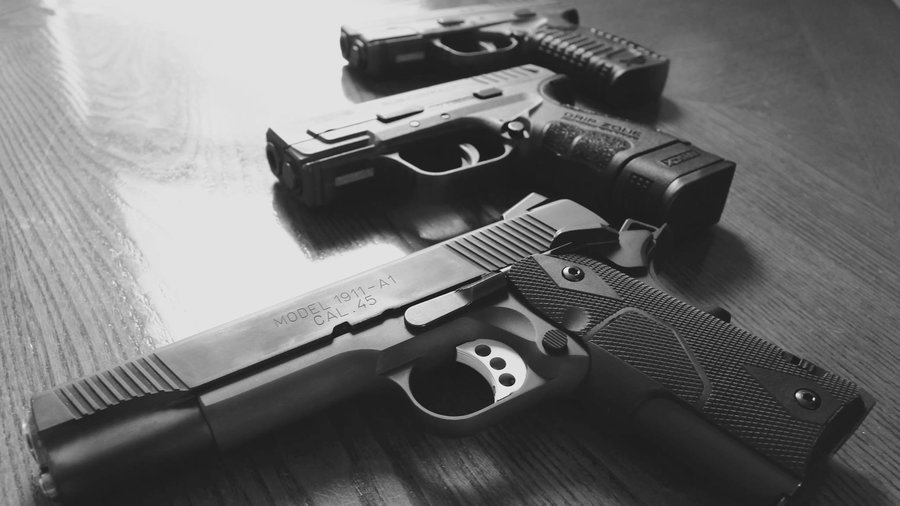
Aneke said though the exercise was not punitive, it was very necessary to ensure compliance with the Firearms Act while safeguarding retired personnel and the wider society.
According to him, efforts are ongoing to retrieve all service-issued weapons from retiring officers and airmen, particularly senior citizens, to prevent risks associated with misuse, diversion or improper storage.
He said: “The Nigerian Air Force recognises the distinguished service of its veterans, but service weapons remain government property and must be duly accounted for at retirement, in line with extant laws,” he said.
The CAS revealed that the NAF was also exploring a regulated armoury arrangement that would allow eligible retirees to lawfully possess approved firearm calibres for personal protection.
He explained that modalities were being developed to ensure transparency, regulation and full compliance with national firearms laws before any such framework is implemented.
Aneke noted that the firearm withdrawal policy forms part of broader reforms in veteran administration, including plans to establish Veteran Well-Being Centres nationwide.
He said the centres would serve as one-stop hubs for welfare support, documentation, security-related matters and healthcare coordination for retired personnel.
The CAS added that the Air Force was leveraging technology through digital platforms and help desks to improve communication and service delivery, especially for elderly veterans.
He reassured veterans that their safety and dignity remained paramount, stressing that the NAF would balance welfare considerations with national security imperatives.
The CAS also highlighted the importance of health and wellness in post-service life, describing it as a key pillar of veteran welfare and sustainable reintegration.