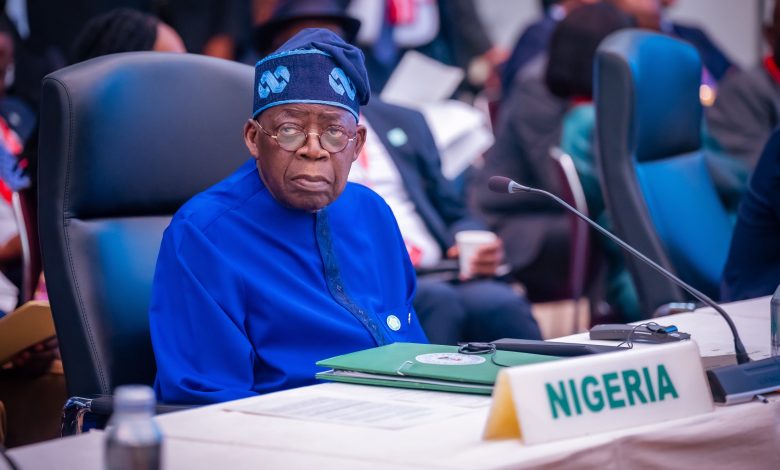


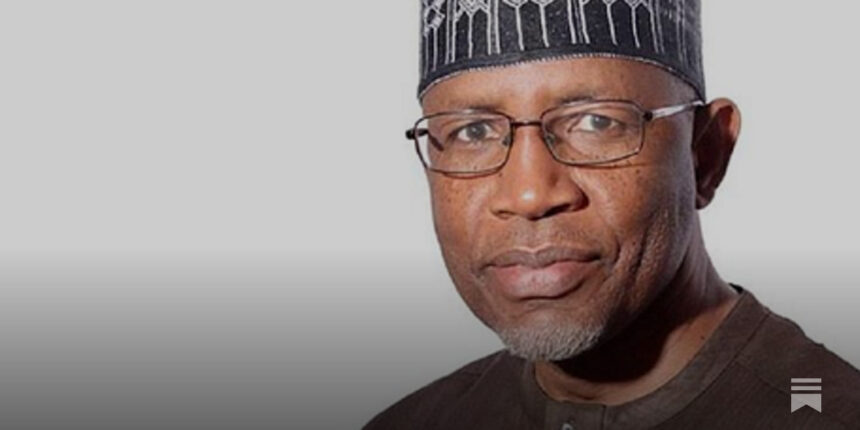
President Bola Tinubu has approved the appointment of Lamido Abubakar Yuguda as Deputy Governor of the Central Bank of Nigeria (CBN), pending confirmation by the Senate.
The appointment was made in accordance with Section 8(1) of the Central Bank of Nigeria Act, 2007, which empowers the President to appoint deputy governors of the apex bank subject to legislative approval.
The development was disclosed in a statement issued by the President’s Special Adviser on Information and Strategy, Bayo Onanuga. According to the statement, Yuguda’s nomination follows the recent redeployment of the former Deputy Governor, Bala Bello, who was appointed Special Adviser to the President on Political Economy.
President Tinubu urged the incoming deputy governor to approach the role with renewed dedication, professionalism, and a strong commitment to safeguarding Nigeria’s economic stability and supporting sustainable growth.
Yuguda brings extensive experience in financial regulation and public sector governance to the Central Bank. His most recent public office was as Director-General of the Securities and Exchange Commission (SEC), a position he held from 2020 until 2024. During his tenure, he oversaw regulatory reforms aimed at strengthening Nigeria’s capital market and improving investor confidence.
Before leading the SEC, Yuguda held several positions in the financial sector and public service, contributing to policy development and regulatory oversight within Nigeria’s economic management framework.
An alumnus of Ahmadu Bello University, Zaria, Yuguda graduated in 1983 with a Bachelor of Science degree in Accountancy. He later obtained a Master’s degree in Money, Banking and Finance from the University of Birmingham in the United Kingdom in 1991.
If confirmed by the Senate, Yuguda will join the leadership of the Central Bank at a time when Nigeria’s monetary authorities are navigating complex economic challenges, including inflationary pressures, exchange rate volatility, and efforts to strengthen financial sector stability.
His appointment is expected to reinforce the bank’s capacity to implement policies aimed at stabilising the economy, promoting financial system resilience, and supporting broader economic reforms being pursued by the federal government.