

By Ebenezer Mabinuola
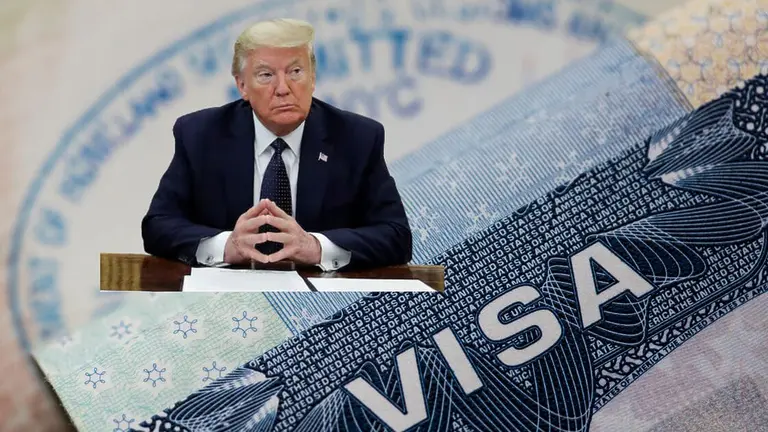
In a sweeping escalation of its immigration crackdown, the Trump administration has ordered U.S. embassies and consulates worldwide to suspend all new student visa interviews, while laying the groundwork for expanded social media surveillance of international applicants.
An internal State Department cable, signed by Secretary of State Marco Rubio, instructed all consular posts to immediately stop scheduling interviews for applicants in the F, M, and J visa categories—which include academic students, vocational students, and exchange visitors. The directive, described as temporary but without a clear end date, cites national security concerns and the need for “enhanced vetting protocols.”
The move is expected to affect tens of thousands of prospective students globally, including many from countries like Nigeria, India, and China—nations that consistently send large numbers of students to U.S. universities. It also places added strain on American institutions that rely on international tuition to sustain academic programs and research.
At the heart of the new policy is a plan to deepen digital surveillance. Consular officers will be instructed to review applicants’ activity on platforms like Instagram, TikTok, Facebook, and X (formerly Twitter)—including posts, likes, shares, and affiliations. Officials say the goal is to flag applicants with potential links to extremism or anti-American sentiment.
Critics, however, see a more insidious agenda: a political litmus test.
“This policy veers dangerously close to policing thought and ideology,” warned a civil liberties attorney with the ACLU. “It creates a climate of fear for young people who may have participated in peaceful protests or voiced dissenting views.”
The administration’s approach builds on a 2019 rule requiring visa applicants to submit all social media identifiers used in the last five years. But under the current leadership, screening has intensified, particularly targeting students from Muslim-majority nations or those perceived to hold oppositional political views.
The announcement has drawn concern from university administrators and international student advocates. According to NAFSA: Association of International Educators, international students contributed $44 billion to the U.S. economy in 2023–2024 and supported more than 378,000 jobs. Institutions fear the new restrictions could accelerate a decline in foreign enrolment already strained by global competition, COVID-era disruptions, and shifting migration trends.
The policy is also being viewed through a geopolitical lens. China has formally protested the move, calling on the U.S. to uphold the rights of international students. Tensions between Washington and Beijing—already high over trade, technology, and Taiwan—are likely to worsen.
In Nigeria, the directive has stirred anxiety among families and students amid the ongoing “Japa” phenomenon—a wave of emigration driven by insecurity and economic hardship. The U.S., long a top destination for Nigerian students, now appears increasingly closed-off.
For now, embassies are in limbo, awaiting further instruction. Meanwhile, students worldwide face the chilling reality that their educational dreams—and even their social media footprints—are now hostage to political winds.
As one U.S. university official put it: “This isn’t just about visas. It’s about the soul of American higher education—are we a nation that welcomes talent, or one that fears it?”
If this policy marks the future of academic immigration, then the message is unmistakable: the classroom is now a checkpoint, and every click is under watch.