


By Olatunbosun Obafemi
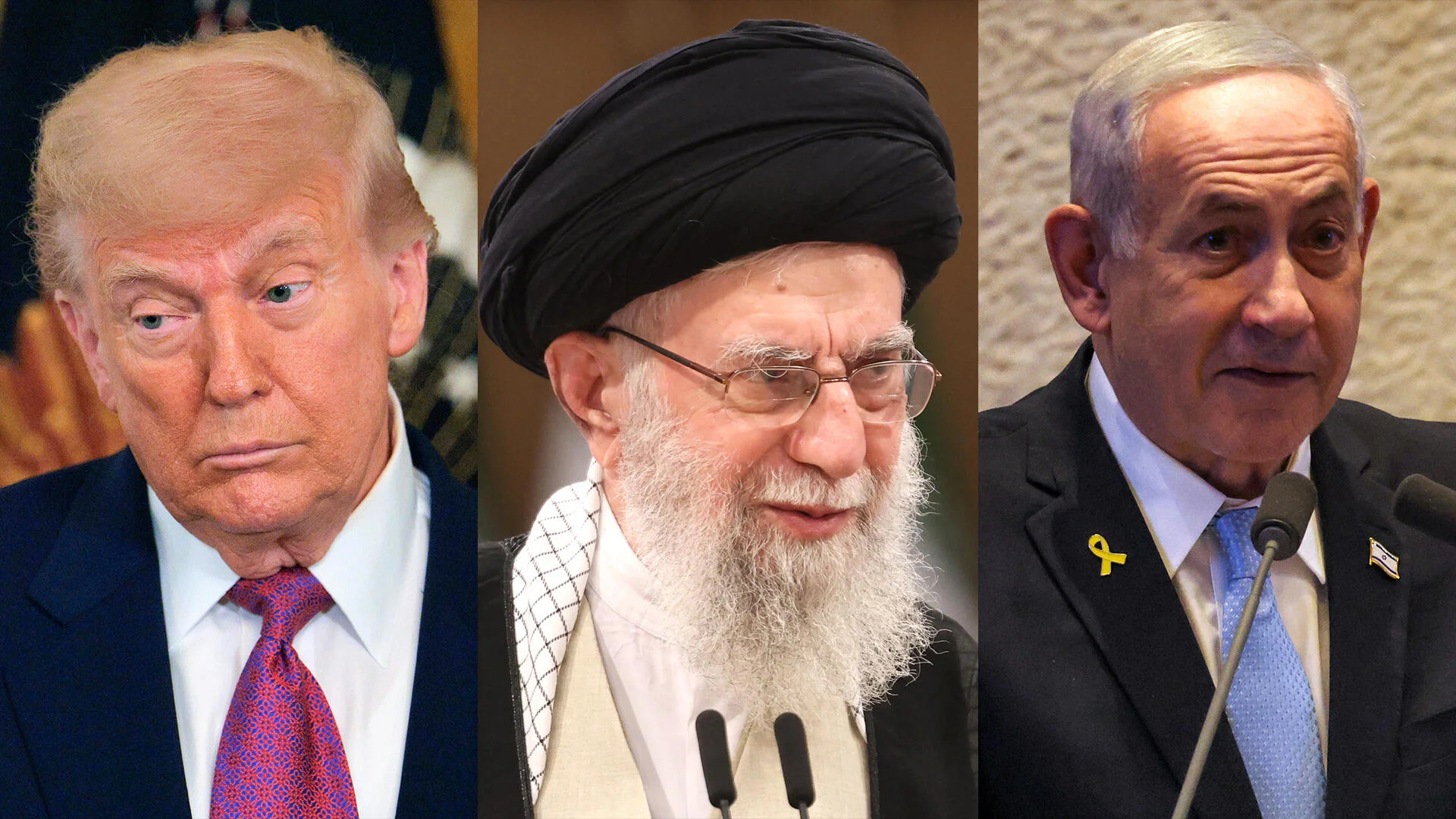
Former President Donald Trump turned down an Israeli proposal to assassinate Iran’s Supreme Leader Ayatollah Ali Khamenei, a U.S. official familiar with the matter told reporters on condition of anonymity.
The plan was reportedly developed and presented by Israeli officials in recent days, but the Trump administration opposed the move, fearing it would dangerously escalate tensions in the Middle East.
The official noted that while the Israelis believed they had a “credible plan,” the Trump White House viewed the operation as too risky and potentially destabilising. “The goal is to avoid a wider regional war,” the source said, stressing the administration’s concerns over triggering an uncontrollable conflict.
During a Fox News interview, Israeli Prime Minister Benjamin Netanyahu avoided confirming the report, stating, “We’ll do what we need to do. And I think the United States knows what is good for the United States.” His spokesperson later dismissed the report as “fake.”
Despite the tension, Trump on Sunday issued a strong warning to Iran not to retaliate against U.S. interests, while also predicting a peace deal between Israel and Iran was possible. “If we are attacked… the full strength and might of the U.S. Armed Forces will come down on you at levels never seen before,” he posted on social media, later adding that peace talks were already underway behind the scenes.
Trump cited his past diplomatic efforts with India and Pakistan, Serbia and Kosovo, and others as proof of his conflict-resolution skills. “We will have PEACE, soon, between Israel and Iran!” he claimed.
The developments come as Trump prepares to attend the G7 summit in Canada, where the Middle East crisis will dominate discussions. Within Trump’s own camp, there’s a divide: some supporters advocate for restraint, while others, like Sen. Lindsey Graham, urge aggressive military support for Israel.