

By Olatunbosun Obafemi
The United States has approved a fresh $346 million weapons package for Nigeria, a deal packed with precision bombs, missiles, and advanced war systems designed to intensify the country’s fight against terrorists and smugglers.
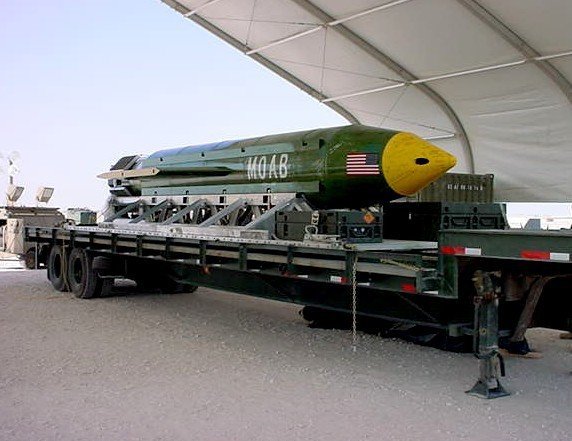
In a statement on Wednesday, the US Defence Security Cooperation Agency (DSCA) confirmed that the agreement would supply Nigeria with a formidable arsenal, including 1,002 MK-82 general-purpose 500 lb bombs, 1,002 MXU-650 Air Foil Groups, 5,000 Advanced Precision Kill Weapon System II warheads, and MK66-4 rocket motors, along with other lethal munitions.
The shipment will not only deliver firepower but also advanced support systems — programmable fuzes, bomb components, high-explosive and practice rockets, and logistics assistance from American experts and contractors. Major US defence contractors, including Lockheed Martin, RTX Missiles and Defence, and BAE Systems, will handle the supply.
“This proposed sale will strengthen a key partner in Sub-Saharan Africa,” the DSCA said, stressing that the equipment will enhance Nigeria’s ability to strike terror networks and disrupt trafficking operations, particularly across the Gulf of Guinea.
The Gulf, a key maritime route, has become a hotspot for illegal arms shipments, drug smuggling, and piracy, while insurgent attacks persist in Nigeria’s northeast and central regions. The new arsenal is expected to give Nigeria a sharper edge in both land and sea operations.
This marks another major arms deal between Abuja and Washington. In 2022, the US cleared a $997 million agreement to deliver attack helicopters, night vision gear, and thousands of precision-guided weapon kits to Nigeria’s military.
With this latest package, analysts say Nigeria is reinforcing its position as one of Washington’s most strategically important African partners, even as concerns linger over human rights and accountability in military operations.
The deal, now officially greenlighted, underscores growing US-Nigeria defence ties at a time when both nations are eager to tackle rising security threats in West Africa’s most populous nation and its surrounding waters.