

By Nchetachi Chukwuajah
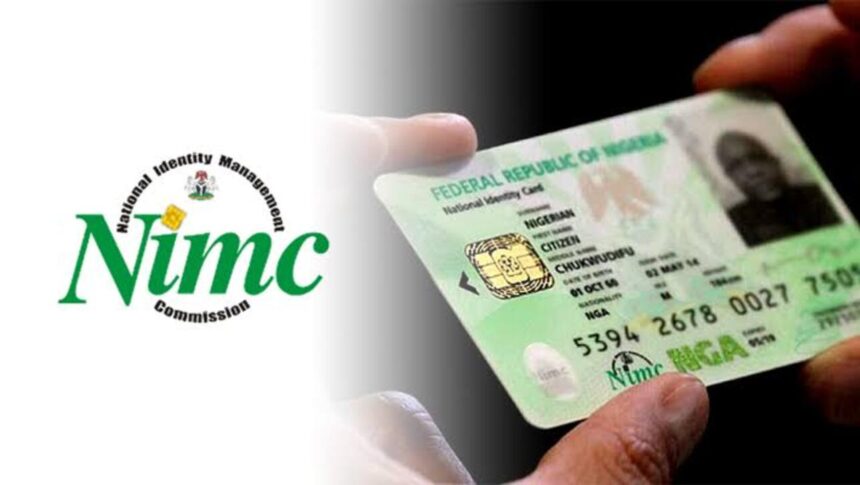
The National Identity Management Commission (NIMC) has enrolled more than 136 million Nigerian citizens and legal residents into its National Identity Database.
The NIMC disclosed this in a statement issued on Tuesday, July 7, by the commission’s Head of Corporate Communications, Kayode Adegoke, after a stakeholder meeting with the Federal Ministry of Budget and Economic Planning on the implementation of the newly signed NIMC Act.
The legislation replaces the 2007 NIMC Act and introduces a “one person, one identity” framework, making the National Identification Number (NIN) the country’s single, trusted identity standard.
As part of the reforms, NIMC will oversee Nigeria’s digital identity infrastructure as the root certificate authority, with additional responsibilities covering digital identity credentials, cybersecurity, and data protection.
According to the Federal Government, a robust digital identity system will improve governance, reduce identity fraud and expand access to both public and private sector services as Nigeria advances its digital transformation agenda.
Speaking during the engagement, the Director-General of NIMC, Abisoye Coker-Odusote, said the commission is accelerating efforts to ensure every Nigerian and legal resident obtains a National Identification Number.
“We have successfully enrolled more than 136 million Nigerians and legal residents into the National Identity Database, and NIMC will collaborate with the Ministry of Budget and Economic Planning to leverage the NIN for economic planning and national development initiatives,” she said.
The commission noted that the expanded identity database is expected to support more effective national planning, improve the delivery of government services, strengthen financial inclusion and enhance the implementation of social intervention programmes.
In his remarks, the Minister of Budget and Economic Planning, Senator Abubakar Atiku Bagudu, described the new law as a landmark reform that would strengthen Nigeria’s identity management system.
He urged all levels of government to work together to eliminate multiple identity databases and ensure the National Identification Number becomes the country’s universally accepted means of identification.
“The National Identification Number should serve as Nigeria’s single, universally accepted identity standard, supporting efficient service delivery and good governance,” Bagudu said.