


By Olatunbosun Obafemi
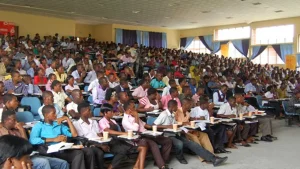
The university is often described as the citadel of learning – a space where knowledge is cultivated, character is molded, and values are refined. In Nigeria, however, recent events have cast a troubling shadow over this ideal. Viral videos and reports of open confrontations between students and their lecturers have become alarmingly frequent, threatening the sanctity of higher education.
At Niger Delta University in Bayelsa State, a female student recently engaged in a physical fight with her lecturer after being accused of examination malpractice. When ordered to leave the hall, she refused and demanded her confiscated phone back. What should have been a straightforward enforcement of academic discipline degenerated into a public brawl, captured on video and shared widely online.
Even more disturbing was a separate incident at Nnamdi Azikiwe University, Awka, where a female student allegedly slapped and bit her lecturer, tearing his clothes during a confrontation. The lecturer’s offense? He interrupted her TikTok recording during class. The grotesque spectacle of a student physically assaulting her teacher for daring to enforce order is symptomatic of a deeper malaise in Nigerian universities: the erosion of discipline and respect in the classroom.
These are not isolated incidents. They are warning signs of a larger cultural shift where students increasingly feel emboldened to defy authority, often with violence, while lecturers sometimes resort to unprofessional behavior that further undermines their credibility. The result is a toxic environment where learning is sidelined and indiscipline takes centre stage.
Several factors account for this crisis. First is the general breakdown of societal values. Universities mirror the moral compass of the larger society, and Nigeria’s compass has been wavering for years. In a country where political leaders often escape accountability, where corruption thrives, and where material success overshadows integrity, young people inevitably internalize these lessons. If a student sees lawbreakers celebrated, why would she hesitate to slap a lecturer who obstructs her TikTok fame?
Second, the disillusionment with the academic system cannot be ignored. Nigerian students study under poor conditions: overcrowded classrooms, endless strikes, outdated curricula, and limited career prospects after graduation. For many, the university is no longer seen as a temple of knowledge but a frustrating obstacle course. This frustration often manifests as hostility towards lecturers, who are perceived less as mentors and more as part of the broken system.
Third, some lecturers also contribute to the crisis through misconduct. Cases of sexual harassment, extortion for grades, or arrogance have eroded respect. While the overwhelming majority of lecturers are committed professionals, the bad eggs tarnish the collective image, leaving students less inclined to regard their authority. A lecturer who mishandles conflicts or acts unprofessionally invites open defiance in a climate already tense with mistrust.
What is the way forward? Restoring discipline requires a balanced approach that addresses both student misconduct and lecturer accountability. Universities must strengthen disciplinary systems that are firm but fair. A student who assaults a lecturer or destroys property should face swift and transparent sanctions, while a lecturer guilty of harassment or abuse of authority must not be shielded by institutional silence. Justice must cut both ways if credibility is to be restored.
Equally vital is orientation and mentorship. Many students enter university as teenagers, still immature and impressionable. Robust orientation programmes should emphasize ethics, mutual respect, and conflict resolution. Lecturers, for their part, need training in emotional intelligence and professional conduct to manage difficult situations without descending into confrontation.
Parents also bear responsibility. The home remains the first school of discipline, and values instilled early will often dictate behavior on campus. Parents must reinforce respect for authority and accountability rather than defending misconduct when their children are caught cheating or misbehaving.
Finally, government action is critical. Chronic underfunding of education creates the hostile conditions that fuel resentment on campuses. Investing in infrastructure, improving welfare for lecturers, and modernizing curricula will reduce the frustrations that often explode into conflict. A well-funded, functional university system is less likely to become a breeding ground for chaos.
Ultimately, universities must reclaim their role as centres of both learning and character formation. Discipline does not mean blind obedience, and authority must never justify abuse. It means creating an environment where learning thrives, disagreements are handled with civility, and the dignity of both teacher and student is upheld.
The rising wave of indiscipline, exemplified by the Bayelsa and Awka incidents, is a red flag. If unchecked, it will not only destroy academic standards but also release into society graduates who carry hostility, disrespect, and lawlessness into the wider world. At a time when Nigeria desperately needs disciplined, ethical, and skilled citizens, this is a crisis the country cannot afford to ignore.
The time to act is now. Nigerian universities must once again become sanctuaries of learning, not theatres of combat. Both students and lecturers must rise above conflict and embrace mutual respect, for without discipline, education itself cannot survive.