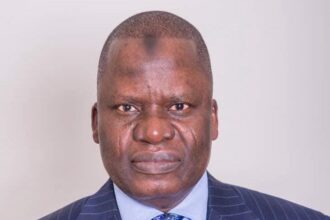


By Bosun Obafemi
Lagos is Nigeria’s commercial capital and one of Africa’s fastest-growing megacities. With millions of residents producing thousands of tonnes of waste every day, effective waste management is not a luxury but a necessity. In my opinion, the greatest challenge facing Lagos is not simply the volume of waste generated but the inconsistency of policies and the tendency for politics to interrupt long-term environmental planning.
Former Governor Akinwunmi Ambode introduced the Cleaner Lagos Initiative (CLI), an ambitious reform designed to modernise waste collection through greater private-sector participation and improved infrastructure. The initiative sought to transform waste management through technology, investment, and improved logistics. Although the programme generated significant debate and faced implementation challenges, it reflected an attempt to rethink how Lagos handles its growing waste burden.
Following the transition to Governor Babajide Sanwo-Olu’s administration, the Lagos State Government restored the central role of the government-approved Private Sector Participants (PSPs) in residential waste collection. The PSP operators have served Lagos for decades under the supervision of the Lagos Waste Management Authority (LAWMA) and remain the backbone of household waste evacuation across the state.
However, many residents believe the PSP system is not functioning as efficiently as expected. This perception is influenced by several factors.
First, many PSP operators are believed to struggle with ageing refuse trucks and insufficient equipment. Frequent vehicle breakdowns reduce collection schedules and leave refuse uncollected for extended periods.
Second, the rising cost of diesel, vehicle maintenance, spare parts, and operational expenses has significantly increased the cost of providing waste collection services. Some operators reportedly find it difficult to maintain regular operations while charging tariffs that many residents can afford.
Third, poor payment compliance by some households affects the financial sustainability of PSP operators. When residents fail to pay waste bills consistently, operators may struggle to cover operating costs, maintain equipment, or expand their fleets.
Another challenge is the increasing population of Lagos. Waste generation has grown much faster than the expansion of collection infrastructure. Many communities have expanded rapidly, yet waste collection capacity has not always kept pace with urban growth.
Traffic congestion also affects operational efficiency. Lagos roads can delay waste collection vehicles for hours, reducing the number of trips each truck can complete daily. Consequently, waste sometimes remains on the streets longer than planned.
In addition, illegal dumping by some residents undermines the efforts of both PSP operators and government agencies. Even where collection services are available, some people continue to dump refuse into drainage channels, vacant plots, and road medians, contributing to flooding, environmental pollution, and public health risks.
Governor Babajide Sanwo-Olu deserves recognition for continuing investments in LAWMA, promoting recycling initiatives, introducing cleaner environmental programmes, and seeking to strengthen waste management. However, leadership should ultimately be judged by measurable improvements. Residents expect cleaner streets, reliable waste collection, effective monitoring of PSP performance, and stronger enforcement against environmental offenders.
In my opinion, Lagos should avoid frequent policy reversals whenever political leadership changes. Whether introduced by Akinwunmi Ambode, Babajide Sanwo-Olu, or any future governor, good environmental policies should be strengthened rather than abandoned because of political differences. Environmental management requires continuity, long-term investment, and institutional stability.
Improving the PSP system will require government support through easier access to financing for new trucks, periodic review of collection tariffs where appropriate, stronger performance monitoring, prompt payment systems, better transfer stations, and greater public awareness on proper waste disposal. Residents also have a responsibility to pay approved waste bills promptly and dispose of refuse responsibly.
Lagos has the human resources, economic strength, and institutional capacity to become one of Africa’s cleanest cities. Achieving that vision will require government, PSP operators, businesses, and residents to work together toward a common goal. Politics should never stand in the way of environmental sustainability. Every administration should build on what works, correct what does not, and remain focused on delivering a cleaner, healthier, and more livable Lagos.
A clean Lagos is not merely an aspiration—it is an economic necessity, a public health priority, and a responsibility shared by every stakeholder. Lagos must be clean, and that objective should always rise above politics.