

By Olatunbosun Obafemi
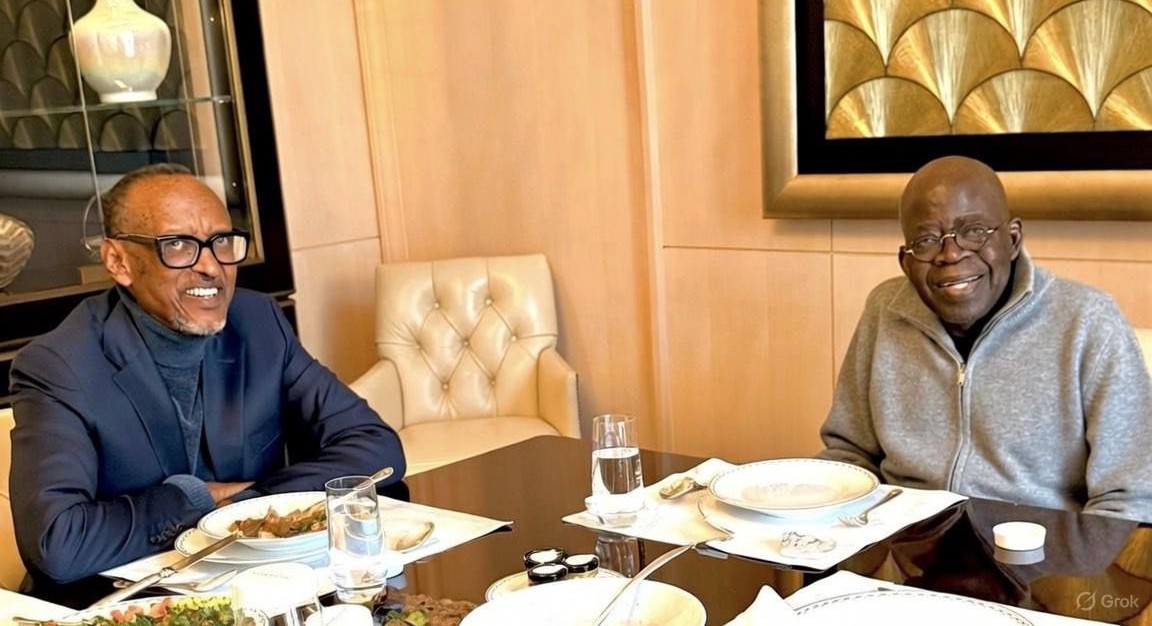
President Bola Ahmed Tinubu’s decision to embark on a 10-day working vacation in Europe has, unsurprisingly, generated interest beyond the official line that it is simply part of his annual leave.
According to the Presidency, the trip is routine – a brief period of rest and “working consultations” in France and the United Kingdom before his return. Yet, in Nigeria’s charged political climate, presidential travel is rarely just about travel.
For some supporters, the leave is a well-deserved break for a leader who has faced intense pressure since assuming office, grappling with economic reforms, insecurity, and an increasingly restive populace. “The President is human; he needs time to rest and recharge if he is to serve effectively,” one Abuja-based analyst noted.
But critics are less forgiving. They point to the symbolism of a Nigerian president seeking rest and medical comfort abroad, at a time when many citizens are struggling with rising food prices, fuel costs, and a weakened currency. Opposition voices argue that such vacations risk sending the wrong signal – one of detachment from the everyday struggles of ordinary Nigerians.
This is not the first time a Nigerian president’s trip abroad has been politically loaded. Past administrations have faced similar scrutiny, particularly when foreign travel was linked to questions about health, governance, or the use of public funds. Tinubu himself has faced persistent speculation about his health, which makes every foreign trip a matter of heightened public interest.
The Presidency’s emphasis on the vacation being a “working leave” seems aimed at managing that perception, suggesting that Tinubu will continue consultations and engagements while abroad. Still, the question remains: how much work can be done away from home, and what does the absence mean for decision-making at a time of mounting national challenges?
Ultimately, Tinubu’s European stopover illustrates a long-standing dilemma in Nigerian politics – the balance between the personal needs of leaders and the expectations of a public that often sees such journeys as emblematic of governance failures at home.
When the President returns in 10 working days, Nigerians will be watching not just for the resumption of duties, but also for signs that the vacation has recharged him for the steep road that lies ahead.